Pakistan’s summers can be extremely harsh on vehicles. In cities like Lahore, Karachi, Faisalabad, Multan, Bahawalpur, and Rahim Yar Khan, daytime temperatures frequently exceed 40°C during May, June, and July. During severe heatwaves, temperatures in some regions can reach 45°C or even higher.
When a car is parked under direct sunlight, the temperature inside the engine bay can become significantly higher than the outside temperature. This means your cooling system must work much harder to maintain a safe engine operating temperature.
One of the most common vehicle problems during summer is engine overheating. If ignored, overheating can lead to blown head gaskets, warped cylinder heads, damaged pistons, radiator failures, and expensive engine repairs.
The good news is that most overheating problems can be prevented through proper cooling system maintenance and the use of quality coolant.
How a Car’s Cooling System Works
Modern petrol engines generate thousands of controlled explosions every minute. Only a portion of this energy moves the vehicle forward. A large amount of energy is converted into heat.
Without a cooling system, engine temperatures would quickly rise to dangerous levels.
The Role of Coolant
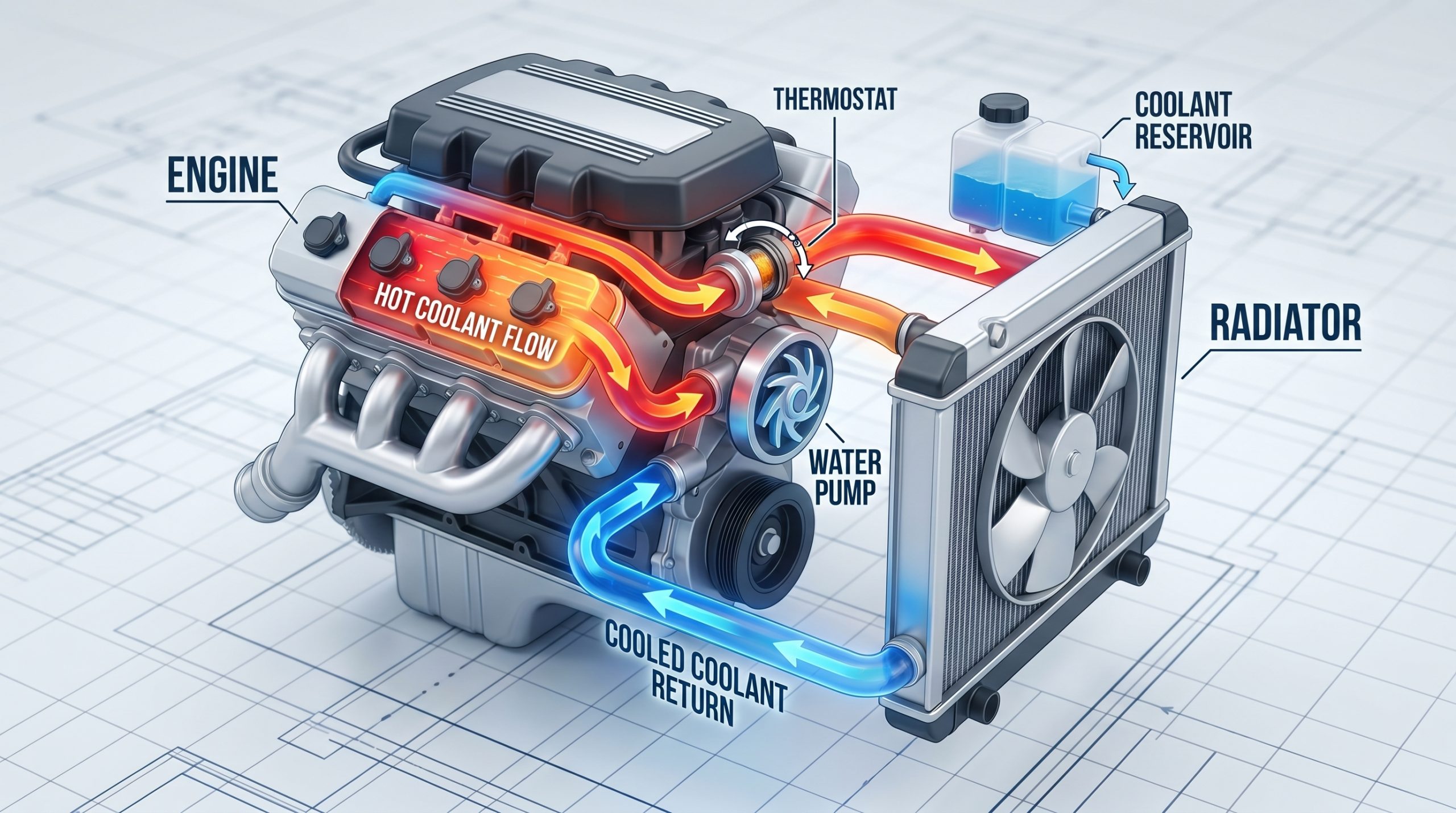
Coolant continuously circulates through passages inside the engine block and cylinder head.
As it moves through the engine, it absorbs excess heat and carries it to the radiator where the heat is released into the atmosphere.
Many Pakistani drivers still use plain water in their radiators. While water can absorb heat, it lacks corrosion inhibitors and anti-scaling additives. Over time, this can lead to rust buildup, clogged cooling passages, and reduced cooling efficiency.
The Role of the Radiator
The radiator is designed to transfer heat from the coolant into the surrounding air.
As coolant flows through narrow tubes inside the radiator, air passing through the cooling fins removes heat and lowers coolant temperature before it returns to the engine.
In Pakistan’s dusty environment, radiator fins often become blocked with dirt, insects, and debris. This reduces airflow and makes cooling less effective.
Other Important Cooling System Components
Several components work together to maintain engine temperature:
Water Pump – Keeps coolant circulating.
Thermostat – Opens and closes to regulate coolant flow.
Cooling Fan – Pulls air through the radiator when vehicle speed is low.
Radiator Hoses – Transport coolant between components.
Failure of even one component can result in overheating.
Why Cars Overheat More Often in Pakistani Summers
Extremely High Ambient Temperatures
A cooling system works by transferring heat from the engine to the outside air.
When outside temperatures reach 40°C to 45°C, the temperature difference between the radiator and surrounding air becomes smaller. As a result, heat is removed less efficiently.
This is why vehicles that perform normally in winter may struggle during summer.
Heavy Traffic Conditions
Traffic congestion is a major issue in cities like Lahore, Karachi, Rawalpindi, and Faisalabad.
When driving on highways, natural airflow helps cool the radiator. However, in stop-and-go traffic, airflow decreases significantly.
The cooling fan becomes the primary source of airflow. If the fan is weak or faulty, engine temperatures can rise rapidly.
Continuous Air Conditioner Usage
During peak summer months, most drivers keep their air conditioners running continuously.
The AC system places additional load on the engine and generates extra heat in the engine compartment. Although a properly maintained vehicle should handle this load, existing cooling system problems often become noticeable when the AC is operating.
Long-Distance Summer Travel
Many Pakistani families travel long distances during holidays and summer vacations.
Driving for several hours in temperatures above 40°C places constant stress on the cooling system. Vehicles with neglected maintenance are much more likely to overheat during these trips.
Common Causes of Car Overheating in Summer
Low Coolant Level
Low coolant is the number one cause of overheating.
Many drivers only check coolant after a problem occurs. Small leaks often go unnoticed for weeks until coolant levels drop below the minimum safe level.
Common leak points include:
Radiator hoses
Hose clamps
Water pump seals
Radiator tanks
Coolant reservoir
Even a small leak can eventually lead to serious overheating.
Old or Contaminated Coolant
Coolant gradually loses its protective properties.
Over time it can become contaminated with:
Rust particles
Mineral deposits
Dirt and debris
Corrosion by-products
Old coolant cannot transfer heat as effectively as fresh coolant, increasing the risk of overheating.
Radiator Problems
The radiator is one of the hardest-working components during summer.
Common radiator issues include:
Internal blockages
External dirt buildup
Bent cooling fins
Corrosion inside the core
A partially blocked radiator may work adequately during winter but fail to keep temperatures under control during extreme summer heat.
Faulty Thermostat
The thermostat remains closed while the engine warms up and opens when operating temperature is reached.
If it becomes stuck closed, coolant circulation is restricted.
The engine can overheat surprisingly quickly, especially in heavy traffic.
Cooling Fan Failure
Many drivers notice overheating only when sitting in traffic.
This often indicates a cooling fan issue.
Possible causes include:
Failed fan motor
Damaged fan relay
Blown fuse
Faulty temperature sensor
Since airflow is limited at low speeds, a faulty fan can cause temperatures to rise within minutes.
Water Pump Problems
The water pump is responsible for circulating coolant throughout the system.
A worn or damaged water pump may:
Reduce coolant flow
Cause coolant leaks
Produce unusual noises
Poor coolant circulation results in uneven engine temperatures and overheating.
Damaged Radiator Hoses
Rubber hoses deteriorate over time due to heat and age.
Cracked or swollen hoses may leak coolant or burst unexpectedly during hot weather.
Low Engine Oil
Many drivers don’t realize that engine oil also helps manage heat.
Oil reduces friction between moving parts. Low oil levels increase friction, causing additional heat buildup inside the engine.
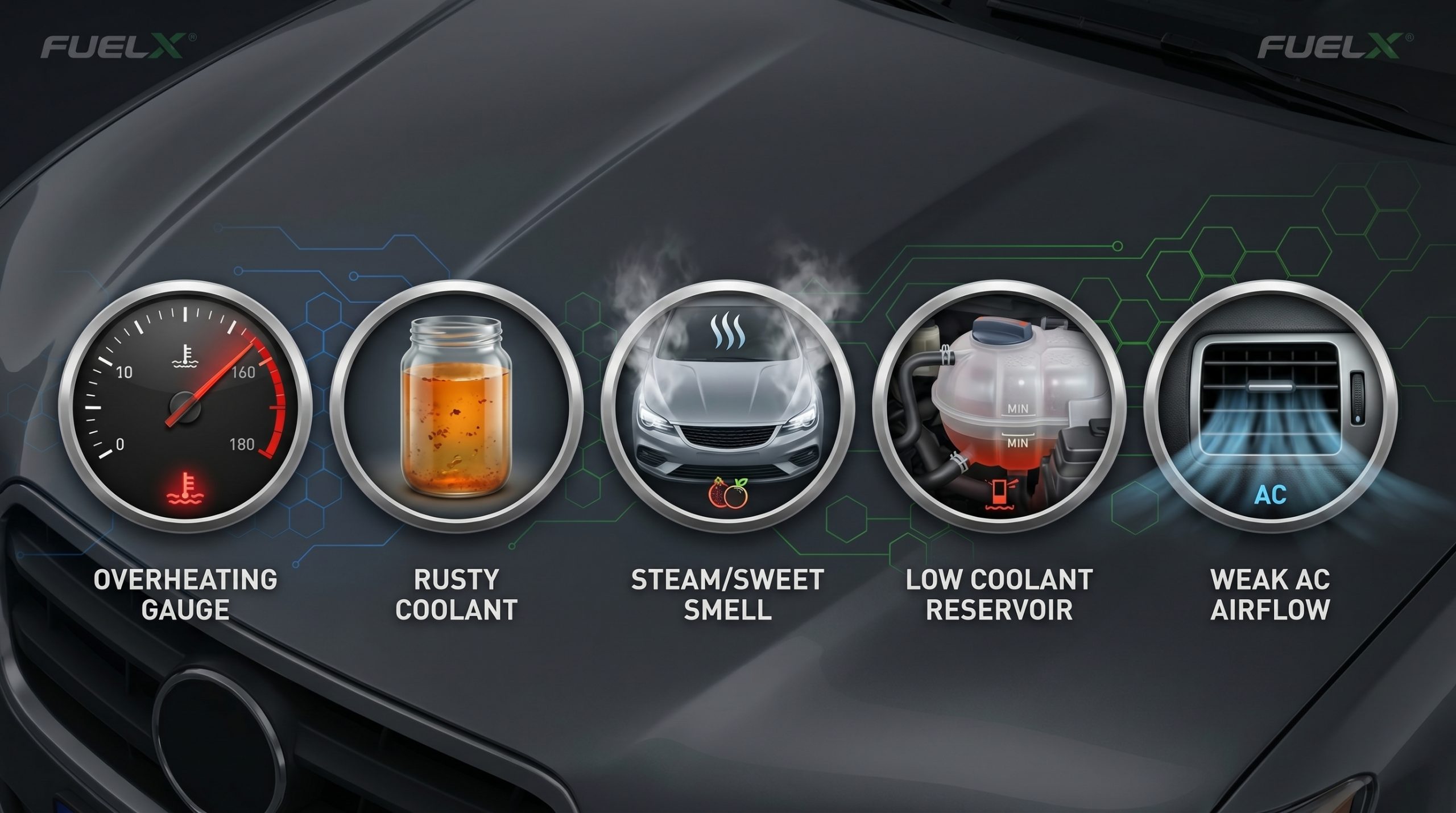
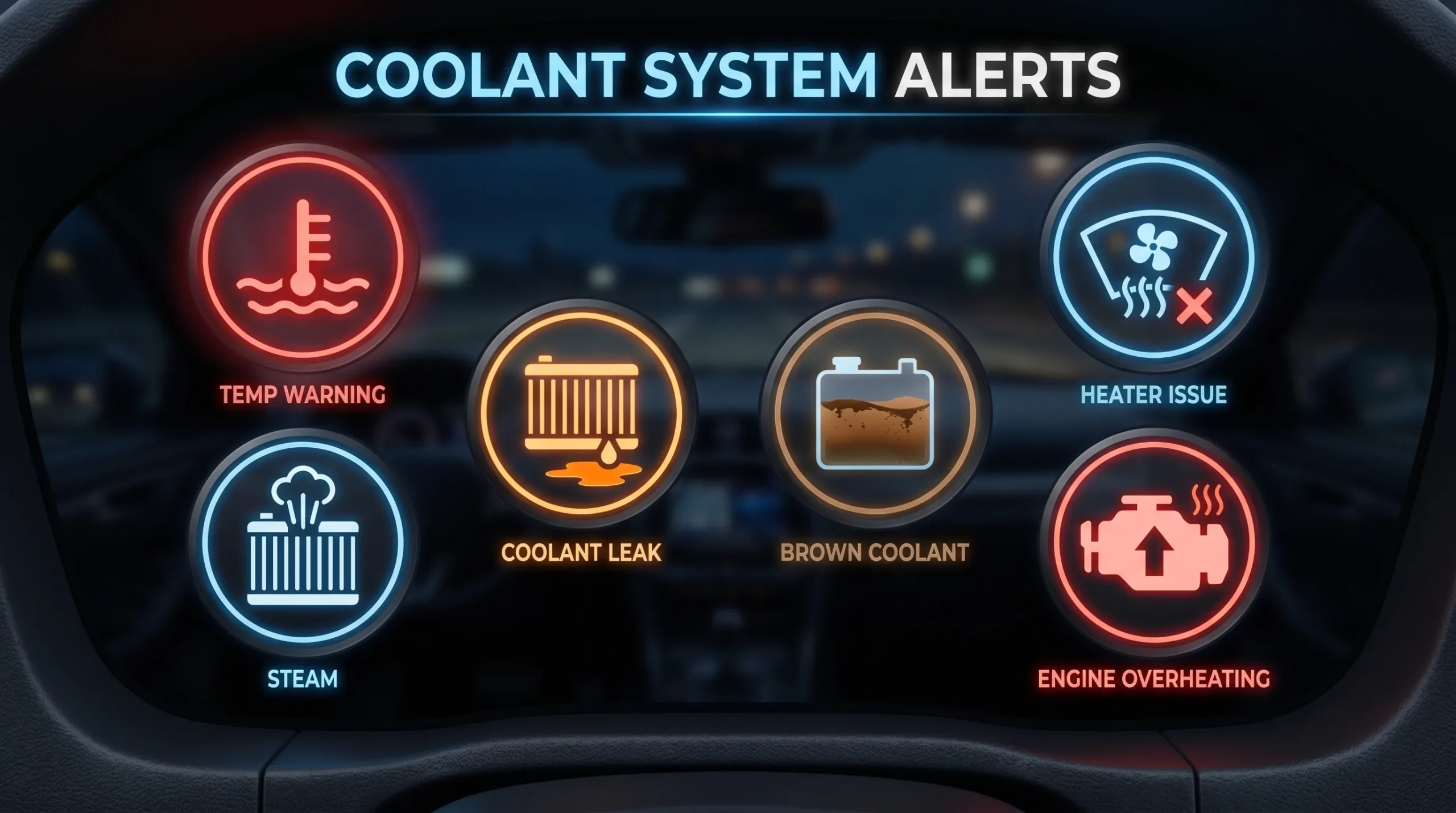
Warning Signs Your Car Is About to Overheat
Recognizing early warning signs can prevent major engine damage.
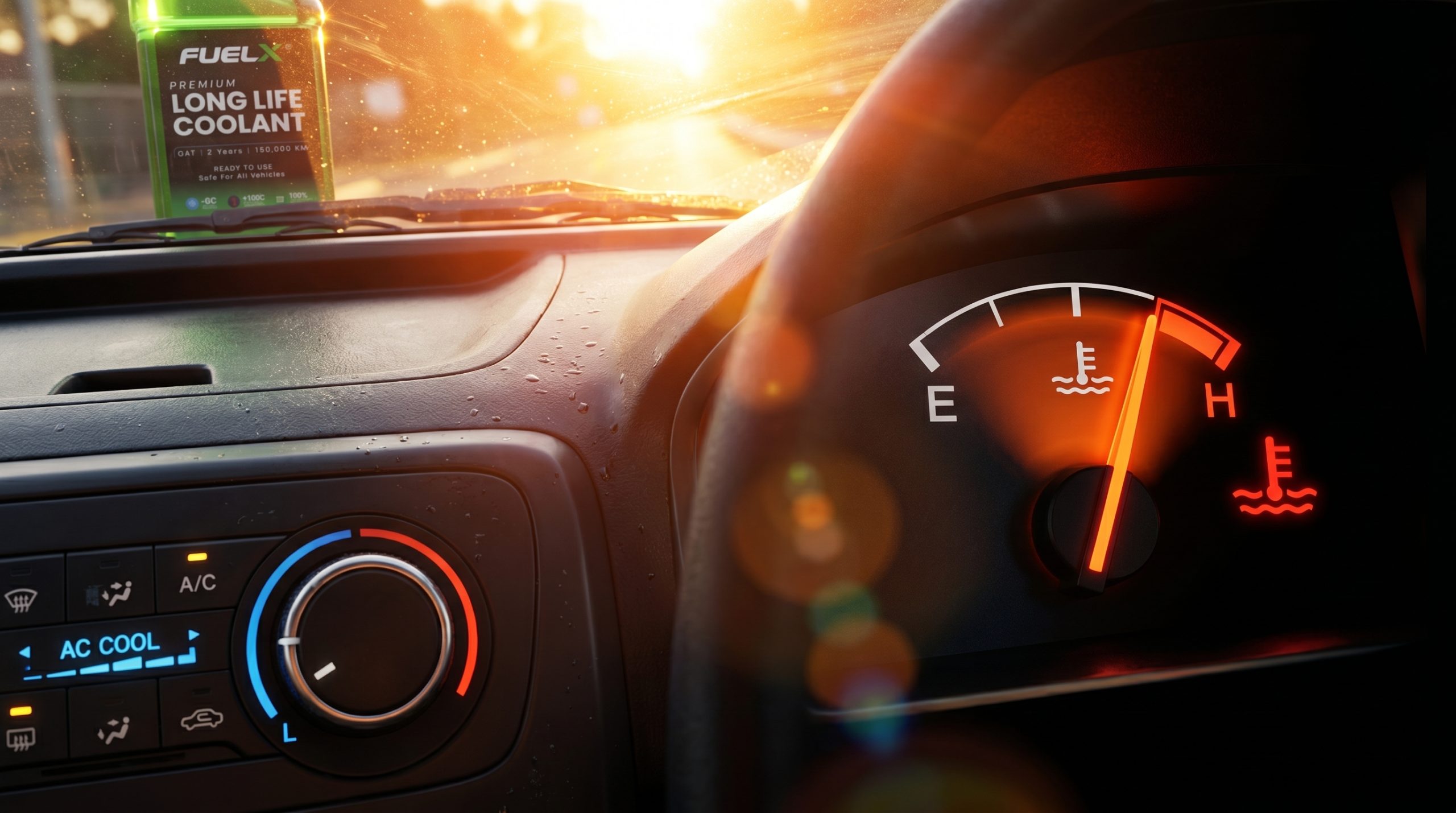
Temperature Gauge Rising Above Normal
Most vehicles operate between approximately 90°C and 105°C.
If the needle starts moving toward the red zone, immediate attention is required.
Steam Coming from Under the Hood
Steam indicates coolant is boiling or escaping from the cooling system.
This is one of the clearest signs of overheating.
Coolant Warning Light
Modern vehicles often display a coolant temperature warning light when temperatures exceed safe limits.
Sweet Smell Around the Vehicle
Coolant contains chemicals that produce a distinct sweet smell.
This odor often indicates a leak.
Reduced Air Conditioner Performance
An overheating engine can affect AC performance.
If the air conditioner suddenly stops cooling effectively during hot weather, investigate the cooling system.
Engine Power Loss
Modern vehicles may reduce engine power to protect internal components from heat-related damage.
What to Do If Your Car Starts Overheating
Pull Over Safely
Continuing to drive an overheating vehicle can cause severe engine damage.
Move to a safe location immediately.
Turn Off the Engine
Switching off the engine prevents further heat generation.
Allow the Engine to Cool
Wait at least 20 to 30 minutes before inspecting the vehicle.
Check Coolant Levels
Once the engine cools, inspect the coolant reservoir and look for leaks.
Never Open a Hot Radiator Cap
Hot coolant is under pressure.
Opening the radiator cap while hot can result in serious burns.
Seek Professional Assistance
If overheating persists, the cooling system should be inspected by a qualified mechanic.
How to Prevent Car Overheating During Pakistani Summers
Preventive maintenance is significantly cheaper than engine repairs.
Check Coolant Levels Regularly
Inspect coolant levels every two to four weeks during summer.
Make it a habit to glance at the temperature gauge during long drives.
Service the Cooling System
A cooling system inspection before summer can identify problems before they become expensive breakdowns.
Why Choosing the Right Coolant Matters in Pakistan
Pakistan’s climate places extraordinary demands on vehicle cooling systems.
In many regions, summer temperatures regularly exceed 40°C, while some areas experience heatwaves above 45°C.
A quality coolant helps:
Maintain Stable Engine Temperatures
Efficient heat transfer helps prevent overheating.
Protect Against Corrosion
Modern coolant additives protect metal components from rust and corrosion.
Extend Cooling System Life
Proper coolant maintenance can increase the lifespan of:
Radiators
Water Pumps
Thermostats
Hoses
Heater Cores
Improve Reliability in Extreme Heat
For Pakistani drivers, a high-quality long-life coolant provides an additional layer of protection during harsh summer conditions.
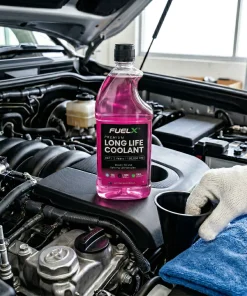
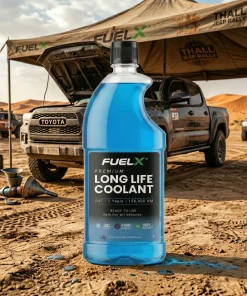
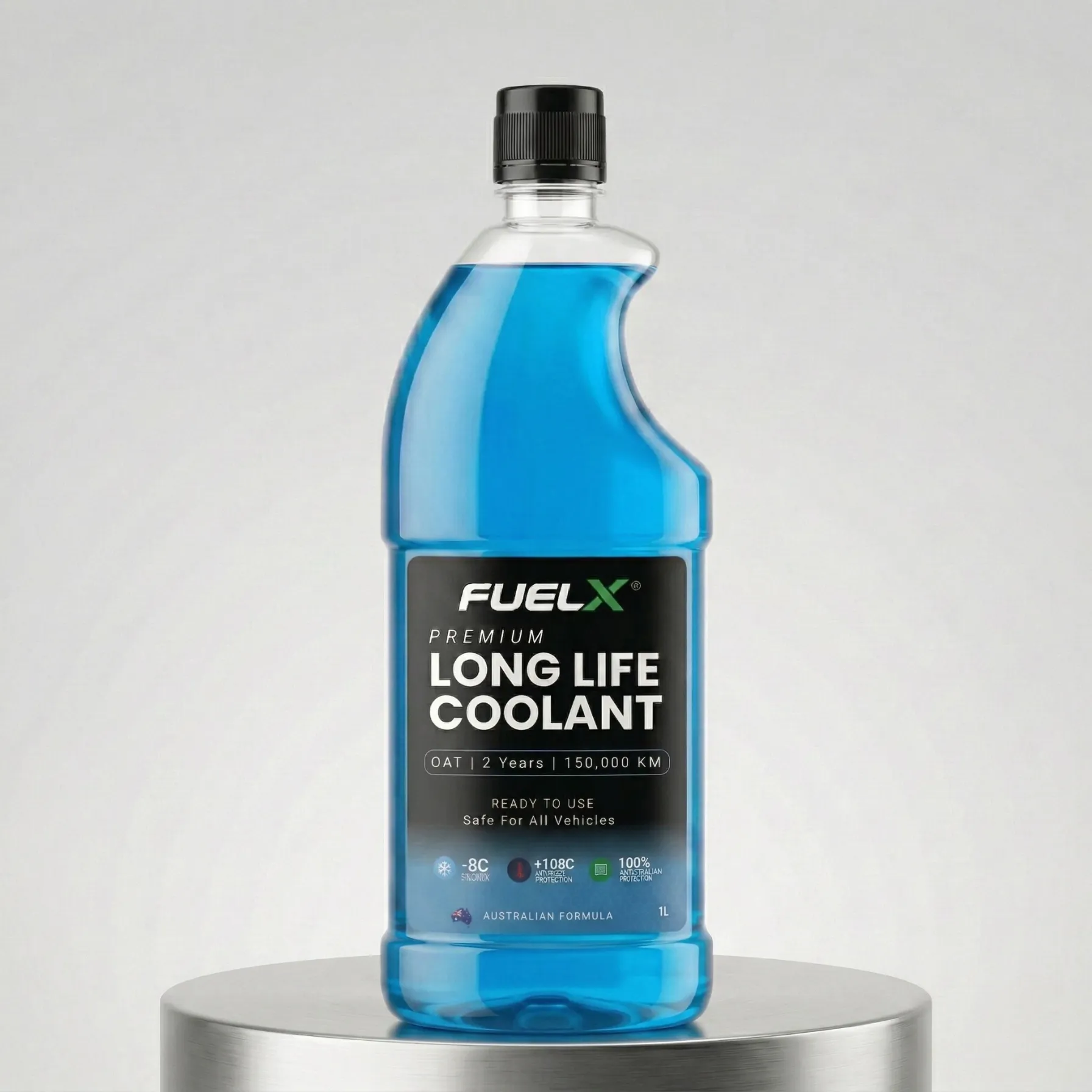
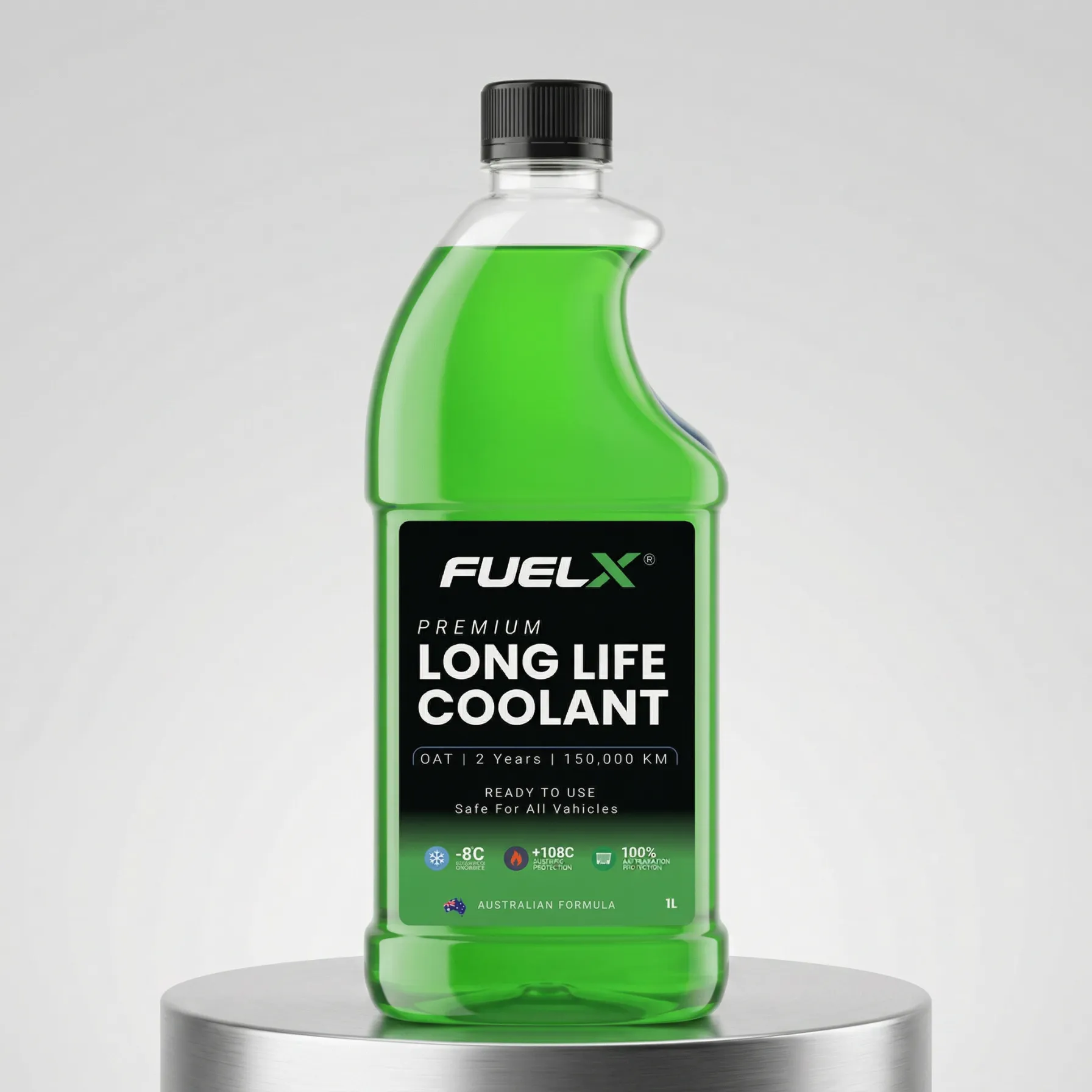
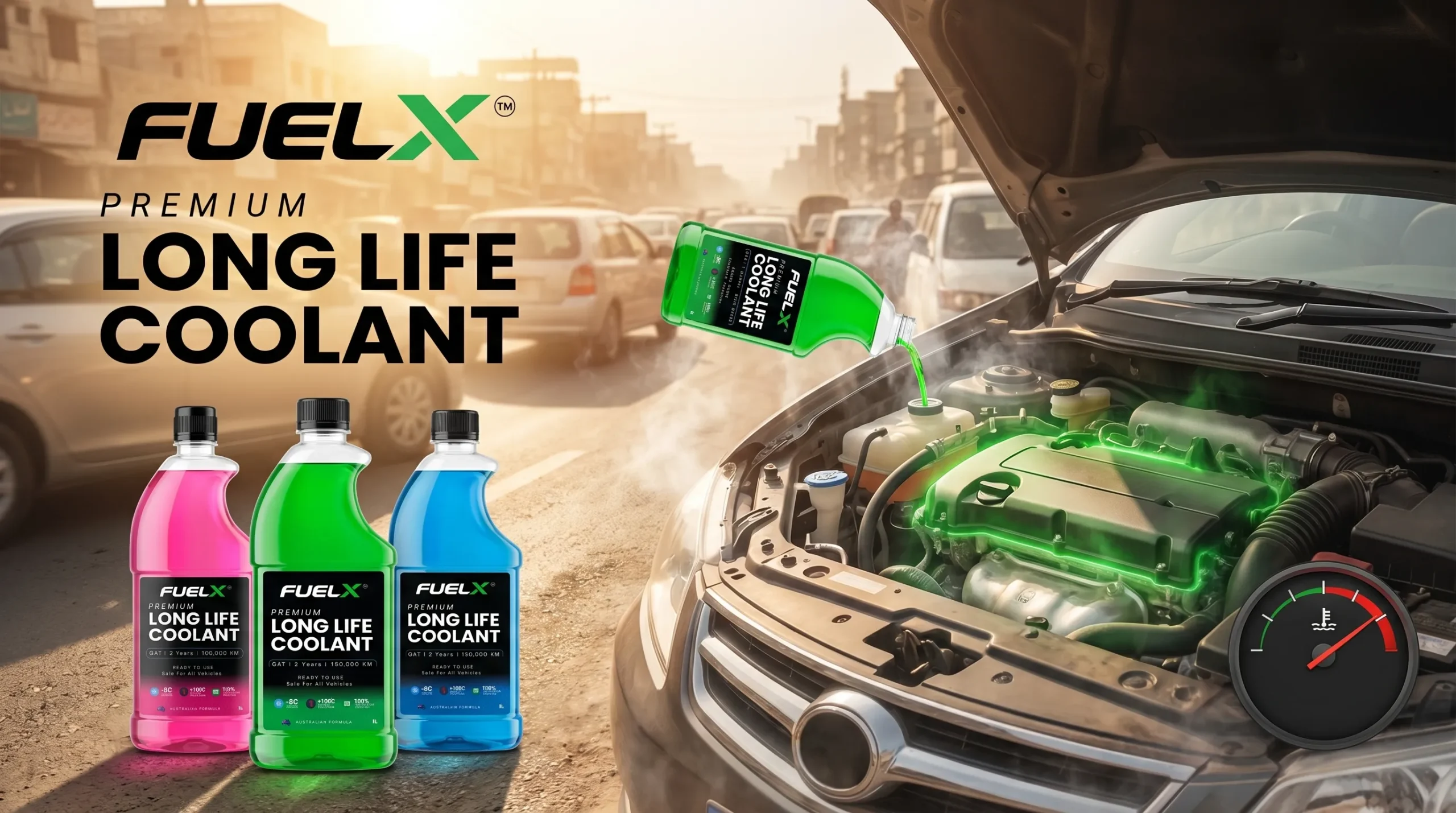
FuelX Long Life Coolant is specifically formulated to help maintain cooling system performance, improve heat dissipation, and protect critical components from corrosion and scale buildup. For drivers facing Pakistan’s demanding climate, using the right coolant can play an important role in preventing overheating and extending engine life.
Conclusion
Engine overheating is one of the most common summer vehicle problems in Pakistan, but it is usually preventable. High temperatures, heavy traffic, low coolant levels, radiator issues, cooling fan failures, and neglected maintenance are among the leading causes.
Regular cooling system inspections, timely coolant replacement, and the use of a quality coolant can significantly reduce the risk of overheating. By taking preventive measures before temperatures peak, drivers can protect their engines, avoid costly repairs, and enjoy safer, more reliable driving throughout Pakistan’s summer season.