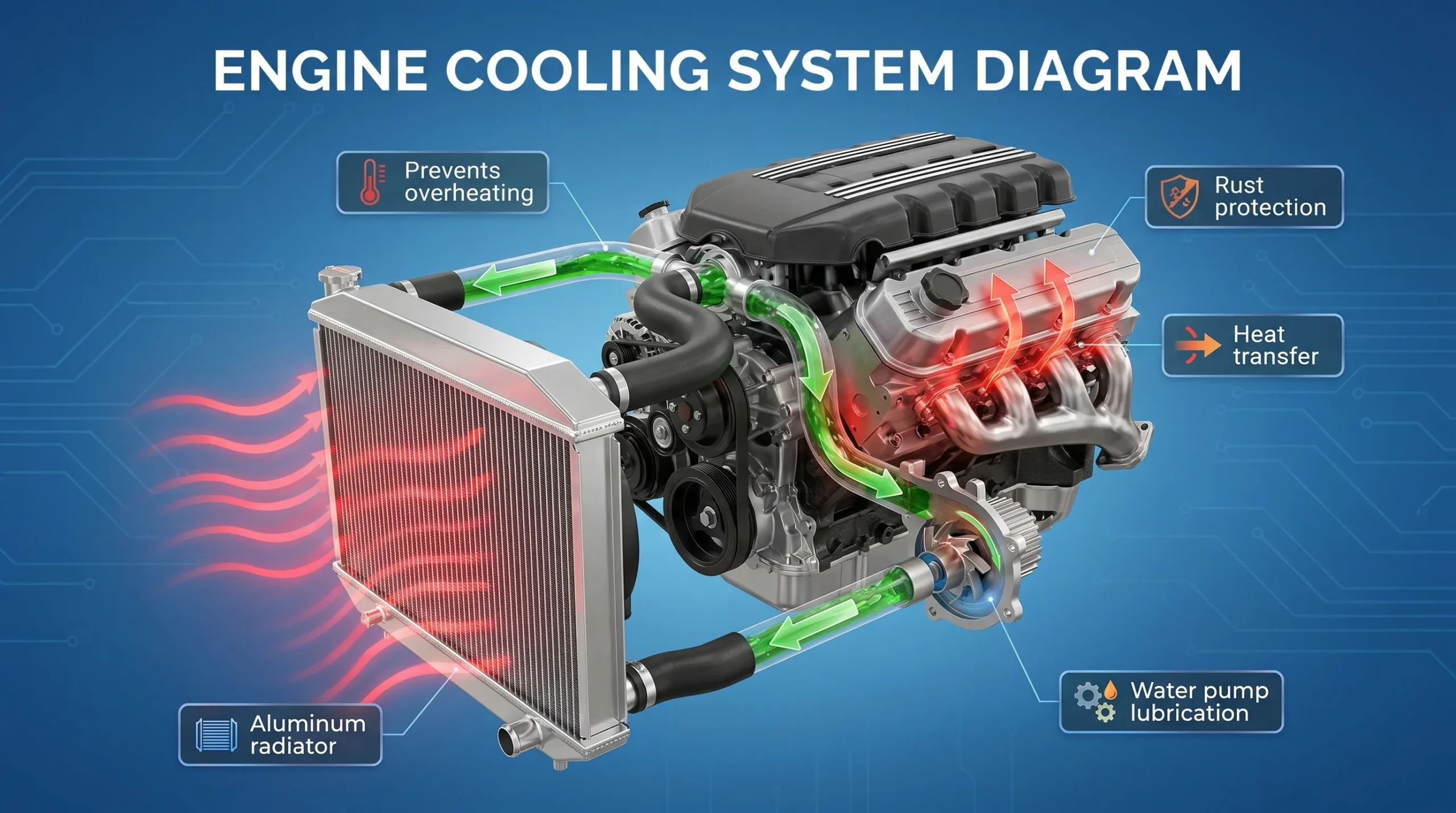
A car’s engine produces an enormous amount of heat every time it runs. During normal operation, engine temperatures can exceed 90°C, and under heavy load, temperatures can rise even further. The cooling system prevents this heat from damaging engine components by circulating coolant through the engine and radiator, where excess heat is released into the air.
Over time, coolant becomes contaminated with rust particles, dirt, mineral deposits, and degraded additives. As coolant loses its effectiveness, the cooling system struggles to transfer heat efficiently, increasing the risk of overheating, corrosion, and expensive engine repairs.
This issue is especially important in Pakistan, where summer temperatures frequently exceed 40°C in cities such as Lahore, Multan, Bahawalpur, and Karachi. Combined with heavy traffic, long idling periods, and dusty conditions, cooling systems are placed under significant stress.
Fortunately, a radiator flush is a maintenance task many car owners can perform at home with basic tools. In this guide, you’ll learn exactly how to flush a car radiator, when it should be done, and how to keep your cooling system working efficiently throughout the year.
What Is a Radiator Flush?
A radiator flush is the process of removing old coolant from the cooling system and replacing it with fresh coolant after cleaning out contaminants.
This process restores cooling efficiency and helps prevent overheating and corrosion.
What Happens If You Never Flush the Radiator?
Many vehicle owners continue topping up coolant without ever replacing it. While this may seem harmless, contaminants gradually accumulate inside the radiator and engine passages.
As coolant ages:
Corrosion inhibitors become depleted.
Rust begins forming inside metal components.
Heat transfer efficiency decreases.
Water pump seals experience additional wear.
Cooling passages can become partially blocked.
A neglected cooling system may eventually lead to:
Frequent overheating
Radiator damage
Water pump failure
Head gasket failure
Costly engine repairs
Repairing an overheated engine can cost several times more than routine coolant maintenance.
Signs Your Car Needs a Radiator Flush
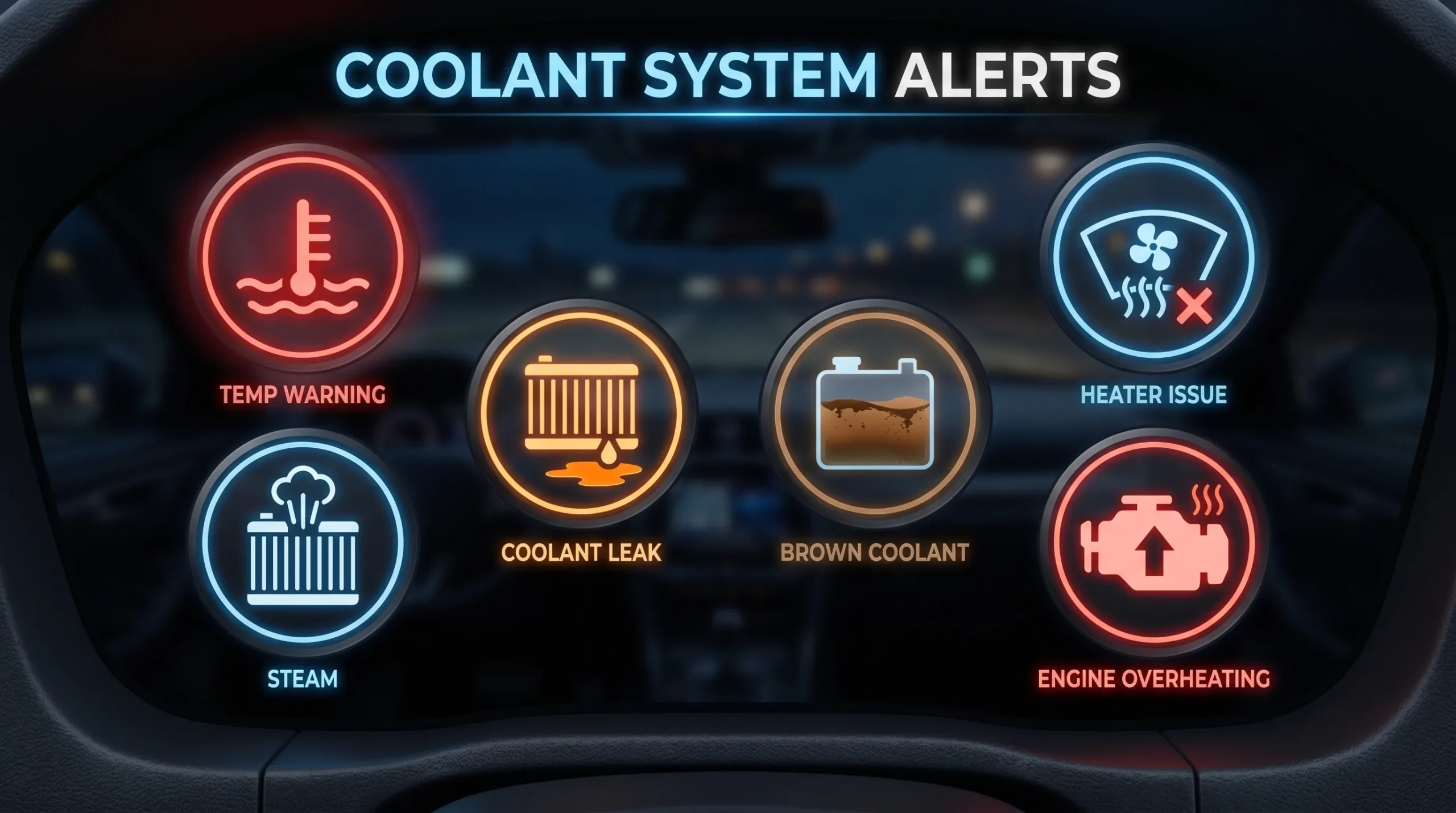
Engine Temperature Running Higher Than Normal
If the temperature gauge consistently rises above its usual position, contaminated coolant may be reducing cooling efficiency.
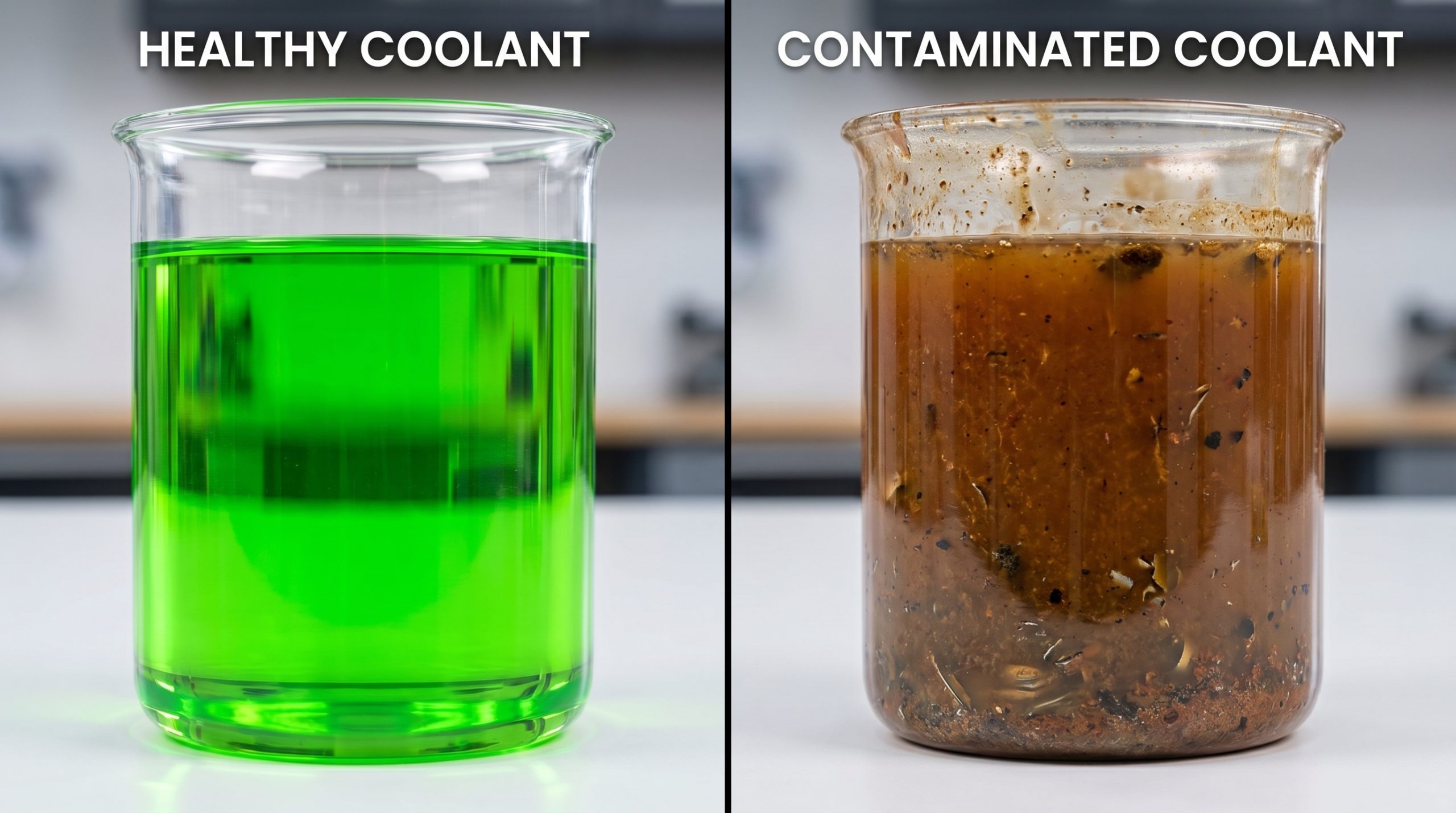
Rusty or Dirty Coolant
Healthy coolant is usually bright green, red, orange, pink, or blue depending on the type used. Brown, muddy, or rusty coolant is a strong indication that the system needs attention.
Frequent Overheating
Vehicles that overheat in traffic or during long drives often have cooling system issues.
Sweet Smell From the Engine Bay
A sweet smell can indicate coolant leakage or deteriorated coolant.
Poor Heater Performance
Restricted coolant flow can reduce heater effectiveness during winter months.
Visible Deposits in the Coolant Reservoir
If you notice sludge, floating particles, or discoloration inside the reservoir, a radiator flush is recommended.
How Often Should You Flush a Car Radiator?
Most manufacturers recommend replacing coolant every 40,000–100,000 km or every 2–5 years depending on coolant type and vehicle specifications.
For Pakistani driving conditions, a practical guideline is:
Driving Condition
Recommended Flush Interval
Normal driving
Every 40,000–60,000 km
Heavy city traffic
Every 2–3 years
Extreme heat conditions
Every 2 years
Vehicles using plain water regularly
Inspect annually
If your vehicle regularly experiences:
Long traffic jams
Frequent idling
Mountain driving
Summer temperatures above 40°C
then more frequent cooling system inspections are advisable.
Tools and Materials You’ll Need
Before starting, gather the following items:
Essential Tools
Fresh coolant
Distilled water
Drain pan
Funnel
Safety gloves
Safety glasses
Basic hand tools
Optional Supplies
Radiator flush cleaner
Garden hose
Jack and jack stands
The entire procedure typically costs much less than a professional cooling system service.
Safety Precautions Before You Begin
Never rush this step.
Cooling systems operate under pressure. Opening a hot radiator cap can release boiling coolant and steam, causing severe burns. Automotive cooling systems are specifically designed to maintain pressure to increase coolant boiling points.
Before starting:
Let the engine cool completely.
Work on level ground.
Wear protective gloves.
Keep children and pets away.
Never open a hot radiator cap.
Step-by-Step Guide: How to Flush a Car Radiator at Home
Step 1: Let the Engine Cool Completely
Wait at least 1–2 hours after driving.
Touch the upper radiator hose carefully. If it still feels hot, continue waiting.
Step 2: Locate the Radiator Drain Plug
Most vehicles have a drain valve near the bottom of the radiator.
Consult your owner’s manual if necessary.
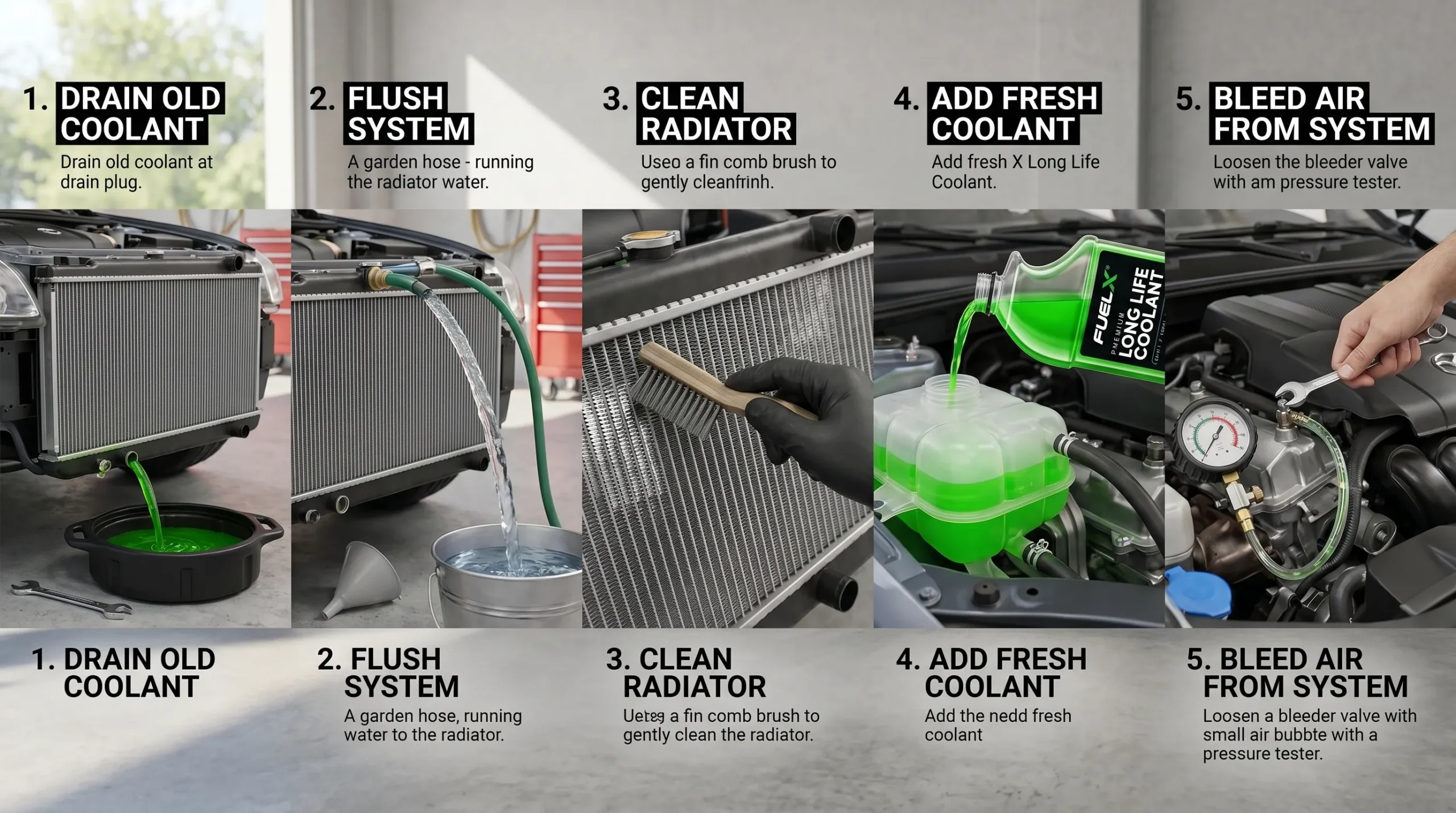
Step 3: Drain the Old Coolant
Place a drain pan underneath the radiator.
Carefully open the drain plug and allow all coolant to flow out.
Depending on vehicle size, cooling systems typically hold between 4 and 10 litres of coolant.
Step 4: Close the Drain Plug
Once the radiator is empty, securely tighten the drain valve.
A loose drain plug can cause coolant leaks later.
Step 5: Fill the System with Distilled Water
Using a funnel, fill the radiator with distilled water.
Distilled water is preferred because it contains virtually no minerals that could form deposits inside the cooling system.
Step 6: Run the Engine for 10–15 Minutes
Start the engine.
Turn the heater to maximum temperature and allow the engine to run for approximately 10–15 minutes.
This allows water to circulate through:
Engine block
Heater core
Radiator
Water pump
helping remove remaining contaminants.
Step 7: Drain the Water Again
Allow the engine to cool.
Drain the water completely.
You may notice rust particles, dirt, or discoloration coming out with the water.
Step 8: Repeat If Necessary
Older vehicles often require two or three flushing cycles before the drained water appears reasonably clean.
This is especially common in vehicles that have been using plain water instead of coolant.
Step 9: Add Fresh Coolant
Close the drain valve and refill the system with the recommended coolant.
Quality coolant provides:
Better heat transfer
Corrosion protection
Water pump lubrication
Rust prevention
Boiling-point protection
Unlike plain water, coolant continues protecting the system throughout the year.
Step 10: Remove Air From the System
Start the engine and allow it to reach operating temperature.
As coolant circulates, trapped air bubbles will escape.
Monitor coolant levels and top up if necessary.
Air pockets can reduce cooling performance and contribute to overheating.
Step 11: Inspect for Leaks
Inspect:
Radiator hoses
Hose clamps
Radiator cap
Drain plug
Coolant reservoir
Take a short test drive and confirm that engine temperature remains stable.
Common Mistakes to Avoid During a Radiator Flush
Opening the Radiator Cap While Hot
This is the most dangerous mistake and can cause serious burns.
Using Only Water
Water alone lacks corrosion inhibitors and boiling-point protection.
Mixing Different Coolant Types
Mixing coolant formulations can reduce effectiveness and create sludge.
Ignoring Air Pockets
Air trapped in the cooling system can cause overheating even when coolant levels appear correct.
Skipping Coolant Replacement
Some drivers flush with water and continue driving without adding coolant.
This leaves the system vulnerable to corrosion and overheating.
Should You Use a Radiator Flush Cleaner?
A radiator flush cleaner can help dissolve:
Rust deposits
Scale buildup
Sludge accumulation
These products are most useful when:
Coolant appears heavily contaminated.
The vehicle has poor maintenance history.
Significant rust is visible.
For regularly maintained vehicles, multiple distilled-water flushes are often sufficient.
DIY Radiator Flush vs Professional Service
DIY Flush
Advantages:
Lower cost
Convenient
Good for routine maintenance
Disadvantages:
Requires time
Less effective for severe contamination
Professional Cooling System Flush
Advantages:
Specialized equipment
More thorough cleaning
Faster completion
Disadvantages:
Higher cost
For most routine maintenance, a DIY radiator flush is perfectly adequate.
Choosing the Right Coolant for Pakistani Weather
Many Pakistani drivers still rely on plain water, especially during summer.
However, plain water provides no corrosion protection and boils at a lower temperature than properly formulated coolant.
Modern coolants contain additives that:
Prevent rust
Lubricate water pumps
Protect aluminium components
Improve heat transfer
Increase boiling-point protection
For Pakistan’s climate, using a quality coolant is one of the most effective ways to reduce overheating risks and extend engine life.
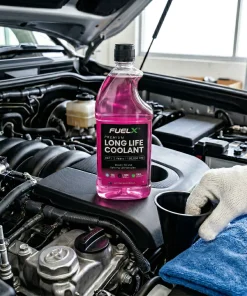
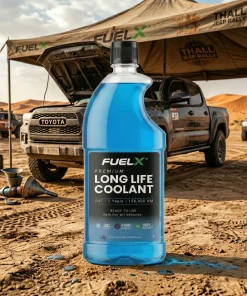
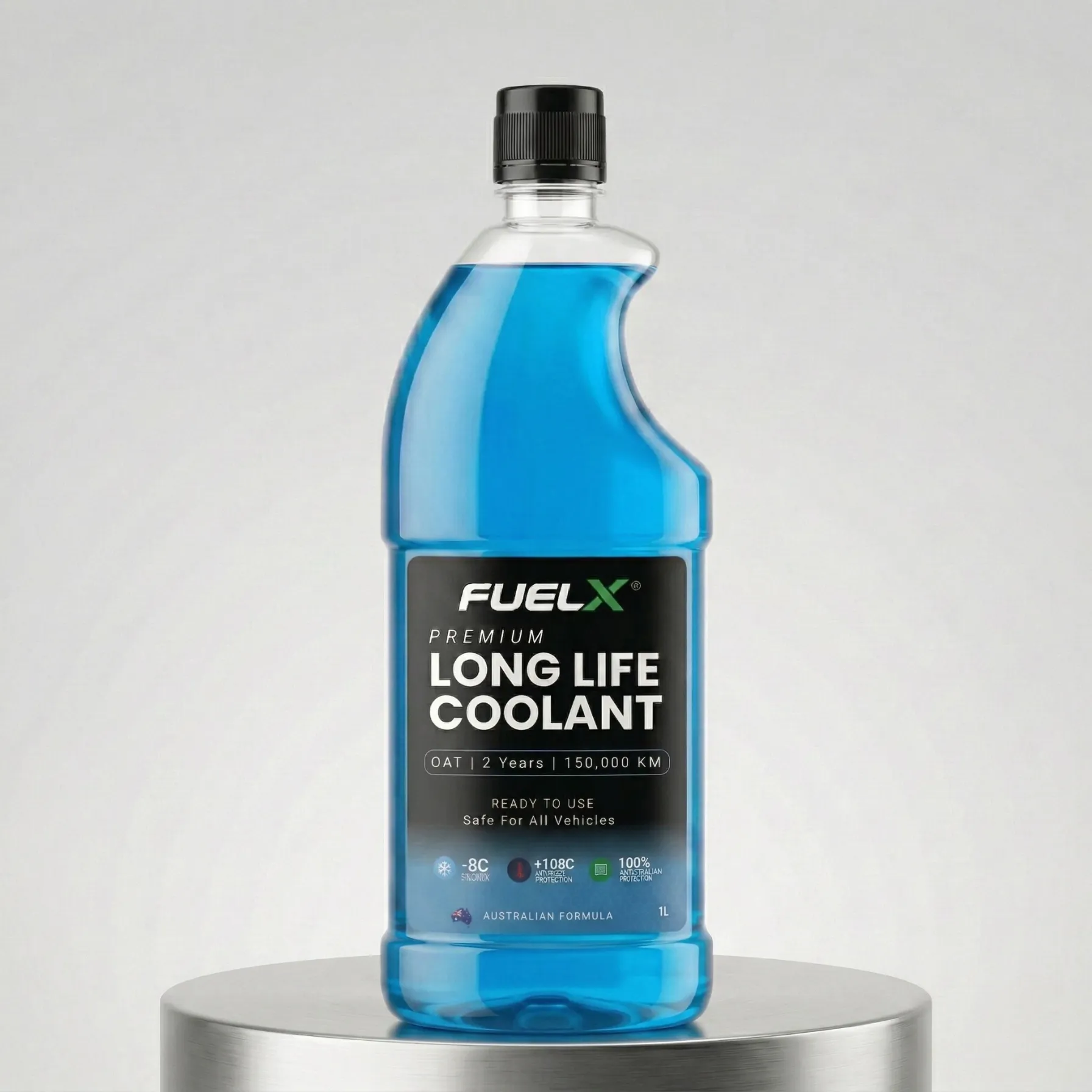
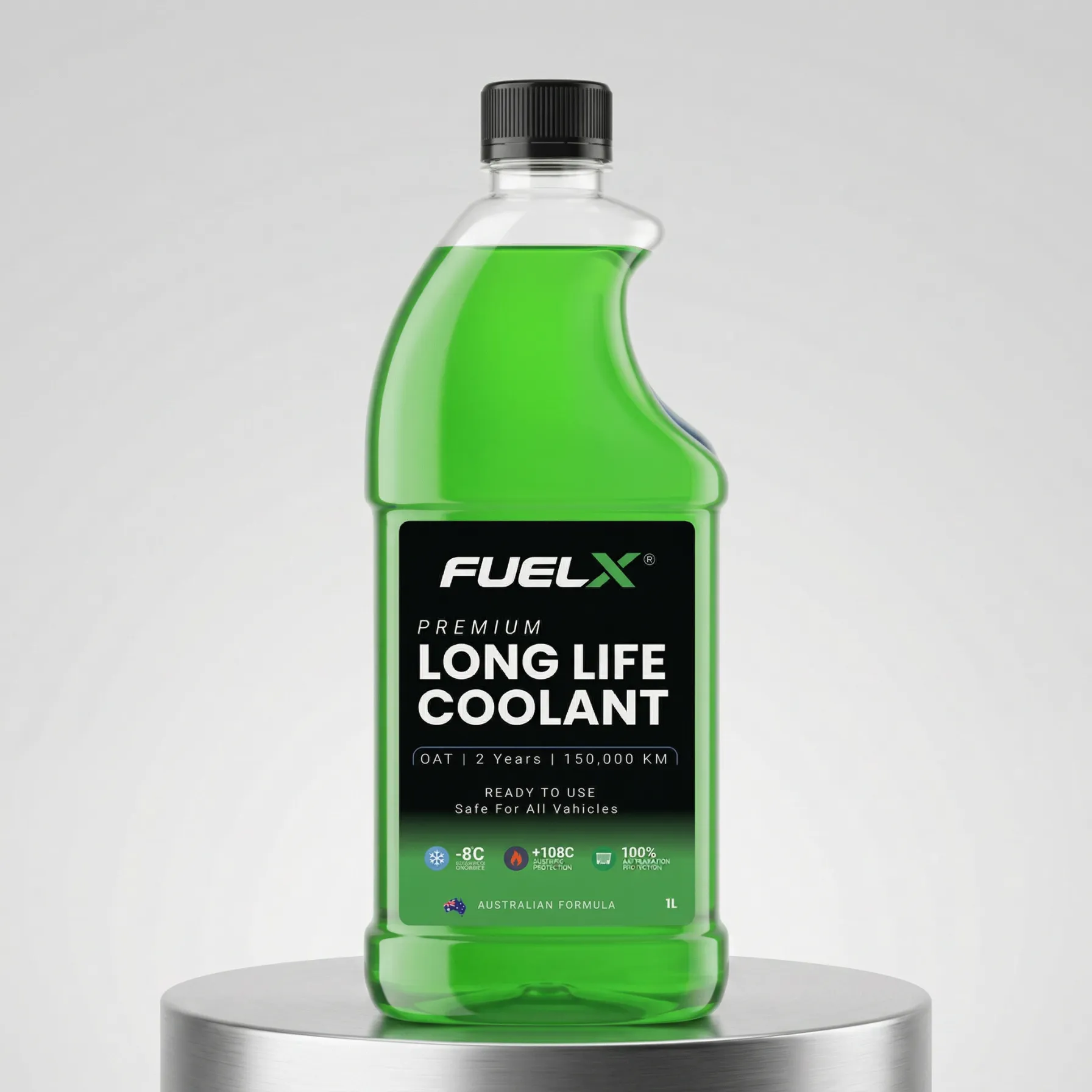
FuelX Coolant is specifically designed to help maintain optimal operating temperatures while protecting critical cooling system components from corrosion and wear.
Wrapping Up
A radiator flush is one of the most affordable maintenance procedures you can perform to protect your engine. By removing contaminated coolant and replacing it with fresh coolant, you improve cooling efficiency, reduce corrosion, and lower the risk of overheating.
For drivers facing Pakistan’s harsh summers, heavy traffic, and demanding road conditions, regular cooling system maintenance is not just recommended—it’s essential. A few hours spent flushing your radiator today can help prevent expensive engine repairs tomorrow.
FAQ’s
Can I flush a radiator with only water?
Yes. Distilled water is commonly used during flushing. However, the system should always be refilled with coolant afterward.
How long does a radiator flush take?
Most DIY radiator flushes require between 1 and 2 hours, depending on vehicle size and coolant condition.
Can I use tap water?
Distilled water is strongly recommended because it contains fewer minerals and impurities.
Will a radiator flush stop overheating?
If overheating is caused by contaminated coolant or restricted coolant flow, a flush may help. However, overheating can also result from thermostat, fan, water pump, or radiator problems.
How much coolant will I need?
Most passenger vehicles require between 4 and 10 litres, but always consult the owner’s manual.
Is radiator flushing safe for older vehicles?
Yes. Older vehicles often benefit significantly from cooling system maintenance because contaminants accumulate over many years.