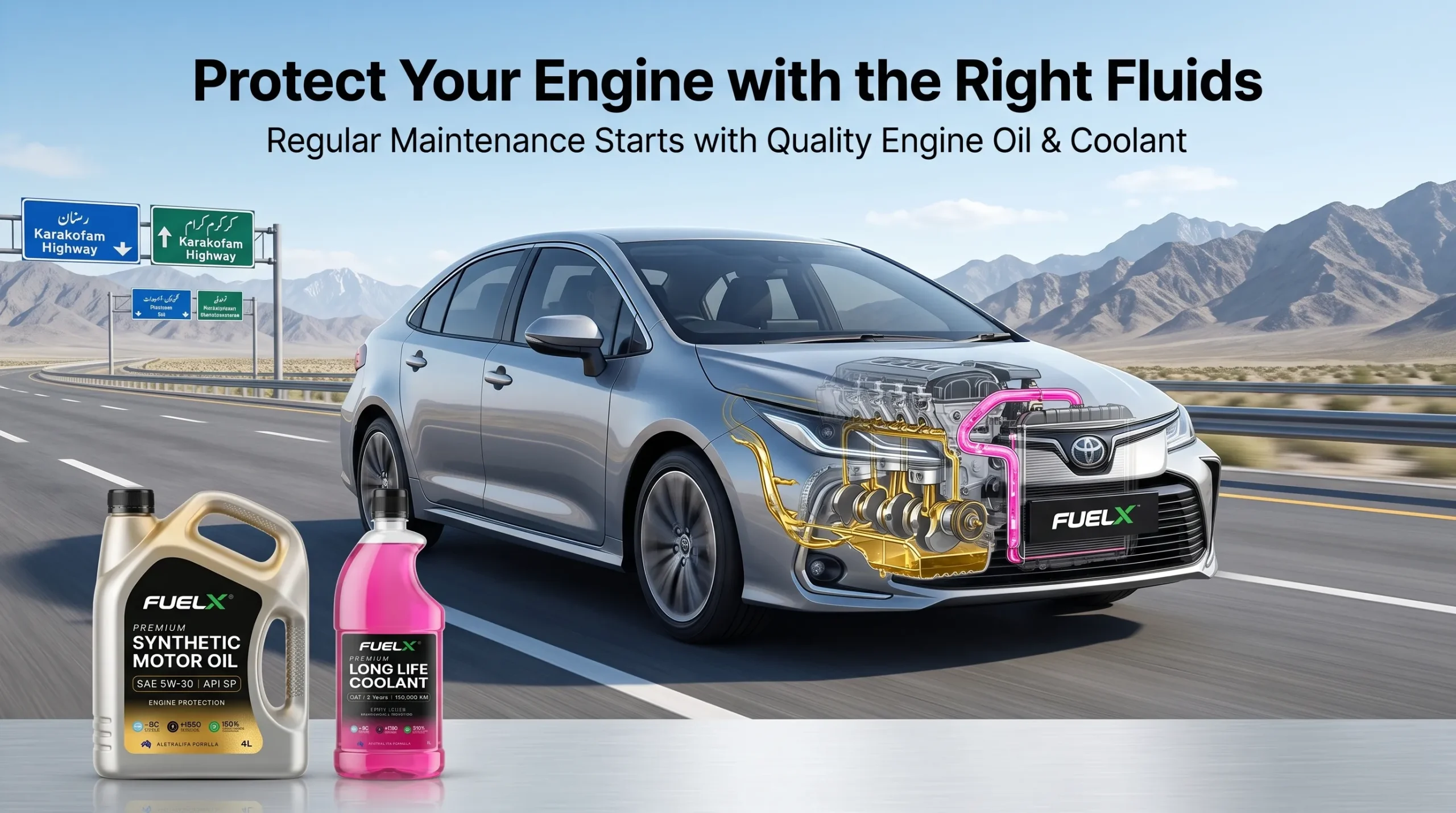
Every vehicle relies on several essential fluids to operate efficiently, but two of the most important are engine oil and engine coolant. Although both are vital for maintaining your car’s performance and longevity, they serve completely different purposes. Unfortunately, many car owners—especially new drivers—often confuse the two or underestimate the importance of maintaining them properly.
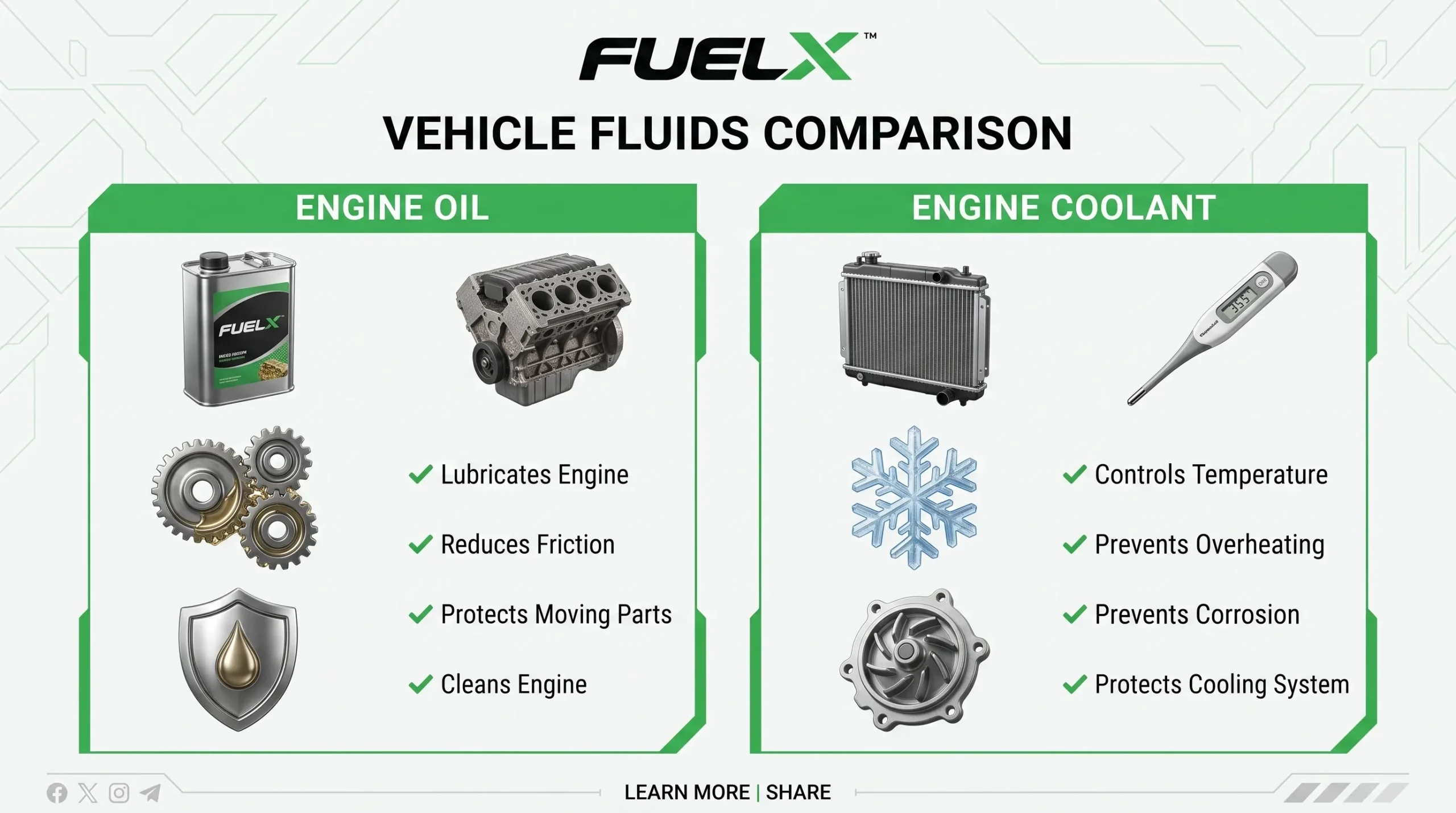
Engine oil keeps your engine’s moving parts lubricated, reducing friction and wear during operation. Engine coolant, on the other hand, regulates engine temperature by transferring excess heat away from the engine and preventing overheating.
Whether you drive a Toyota Corolla, Honda Civic, Suzuki Alto, Kia Sportage, Hyundai Tucson, or any other vehicle in Pakistan, understanding the difference between engine oil and engine coolant can help you avoid costly repairs and improve your car’s lifespan.
In this guide, we’ll explain how both fluids work, their key differences, why your engine needs both, and how proper maintenance can keep your vehicle running smoothly in Pakistan’s demanding driving conditions.
What Is Engine Oil?
Engine oil is a specially formulated lubricant that circulates throughout your engine to protect its moving metal components. Inside a running engine, thousands of parts move at extremely high speeds every minute. Without lubrication, these components would generate excessive friction, leading to overheating, rapid wear, and eventually complete engine failure.
Modern engine oils are made from high-quality base oils combined with advanced additives that improve lubrication, reduce deposits, resist oxidation, and protect against corrosion.
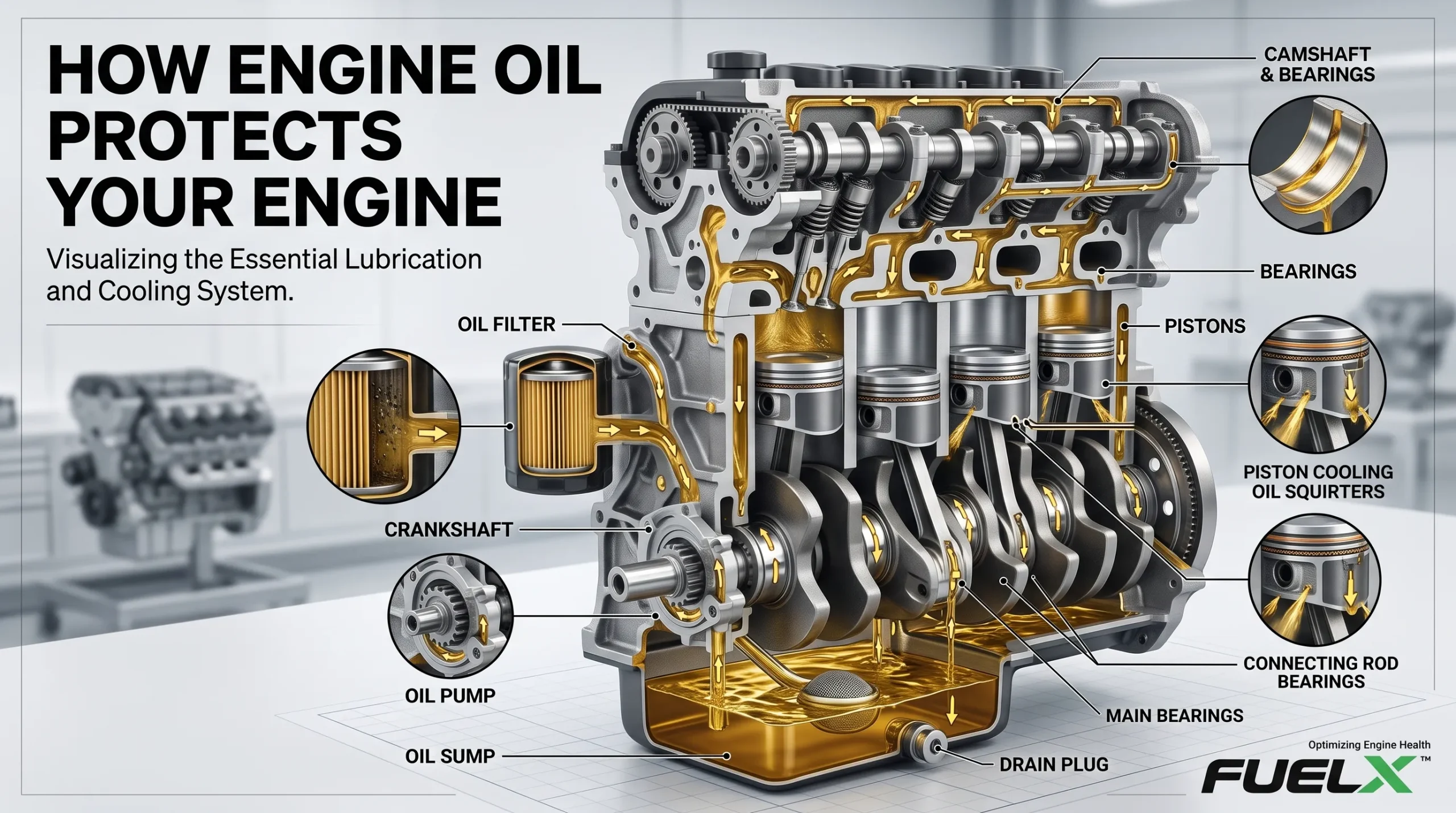
The oil is stored in the oil pan (sump), pumped through the engine by the oil pump, filtered to remove contaminants, and continuously circulated while the engine is running.
Functions of Engine Oil
Engine oil performs several critical tasks that keep your engine operating efficiently.
Lubricates Moving Parts
The primary function of engine oil is to create a protective film between moving metal surfaces, preventing direct contact and reducing friction.
Reduces Engine Wear
Continuous lubrication minimizes wear on engine components such as pistons, crankshaft bearings, camshafts, and valve trains.
Cleans the Engine
Special detergents and dispersants inside engine oil help suspend dirt, carbon deposits, and combustion by-products until they are trapped by the oil filter.
Helps Dissipate Heat
Although coolant handles most of the engine’s cooling, engine oil also absorbs heat from internal components and carries it away, helping reduce localized hot spots.
Prevents Corrosion
Protective additives prevent rust and corrosion caused by moisture and combustion acids.
Improves Fuel Efficiency
A properly lubricated engine experiences less friction, allowing it to operate more efficiently and consume less fuel.
Extends Engine Life
Regular oil changes with high-quality engine oil significantly reduce wear, improving engine reliability and longevity.
What Is Engine Coolant?
Engine coolant, often called antifreeze, is a specially engineered liquid that flows through your vehicle’s cooling system to maintain the engine’s operating temperature.
As fuel burns inside the engine, enormous amounts of heat are generated. If this heat is not removed quickly, the engine can overheat within minutes, causing severe damage. Engine coolant absorbs this heat and transfers it to the radiator, where it is released into the surrounding air.
Unlike plain water, modern coolants contain corrosion inhibitors, anti-foaming agents, lubricants, and anti-freeze compounds that protect the entire cooling system.
Functions of Engine Coolant
Controls Engine Temperature
Coolant continuously absorbs excess heat and keeps the engine operating within its ideal temperature range.
Prevents Overheating
By efficiently transferring heat to the radiator, coolant prevents dangerous temperature spikes during traffic jams, long journeys, and hot summer weather.
Protects Against Corrosion
Special additives protect aluminum, copper, steel, brass, and other metals inside the cooling system from rust and corrosion.
Lubricates Cooling Components
Coolant helps lubricate the water pump and other cooling system components, reducing wear and extending their lifespan.
Prevents Scale Formation
Quality coolant prevents mineral deposits that can block radiator passages and reduce cooling efficiency.
Extends Cooling System Life
Using the correct coolant helps protect the radiator, thermostat, heater core, hoses, and water pump from premature failure.
Engine Oil vs Engine Coolant: Quick Comparison
Feature
Engine Oil
Engine Coolant
Primary Purpose
Lubricates engine components
Regulates engine temperature
Main System
Engine lubrication system
Cooling system
Appearance
Amber to dark brown or black
Green, Red, Pink, Blue, or Orange
Reduces Friction
✔ Yes
✘ No
Prevents Overheating
Partially
✔ Primary function
Protects Radiator
✘ No
✔ Yes
Protects Pistons & Bearings
✔ Yes
✘ No
Replacement Interval
More frequent
Less frequent
Main Ingredients
Base oil and additives
Water, glycol, and additives
How Engine Oil Works Inside Your Engine
Engine oil follows a continuous lubrication cycle while the engine is running.
It begins in the oil sump at the bottom of the engine. When the engine starts, the oil pump draws oil from the sump and forces it through the oil filter, where contaminants are removed.
The filtered oil then travels through internal oil passages to lubricate:
Crankshaft bearings
Connecting rods
Pistons
Camshaft
Valve train
Timing components
After lubricating these parts, the oil drains back into the sump, and the cycle repeats continuously.
This constant circulation ensures that engine components remain protected under all driving conditions.
How Engine Coolant Works
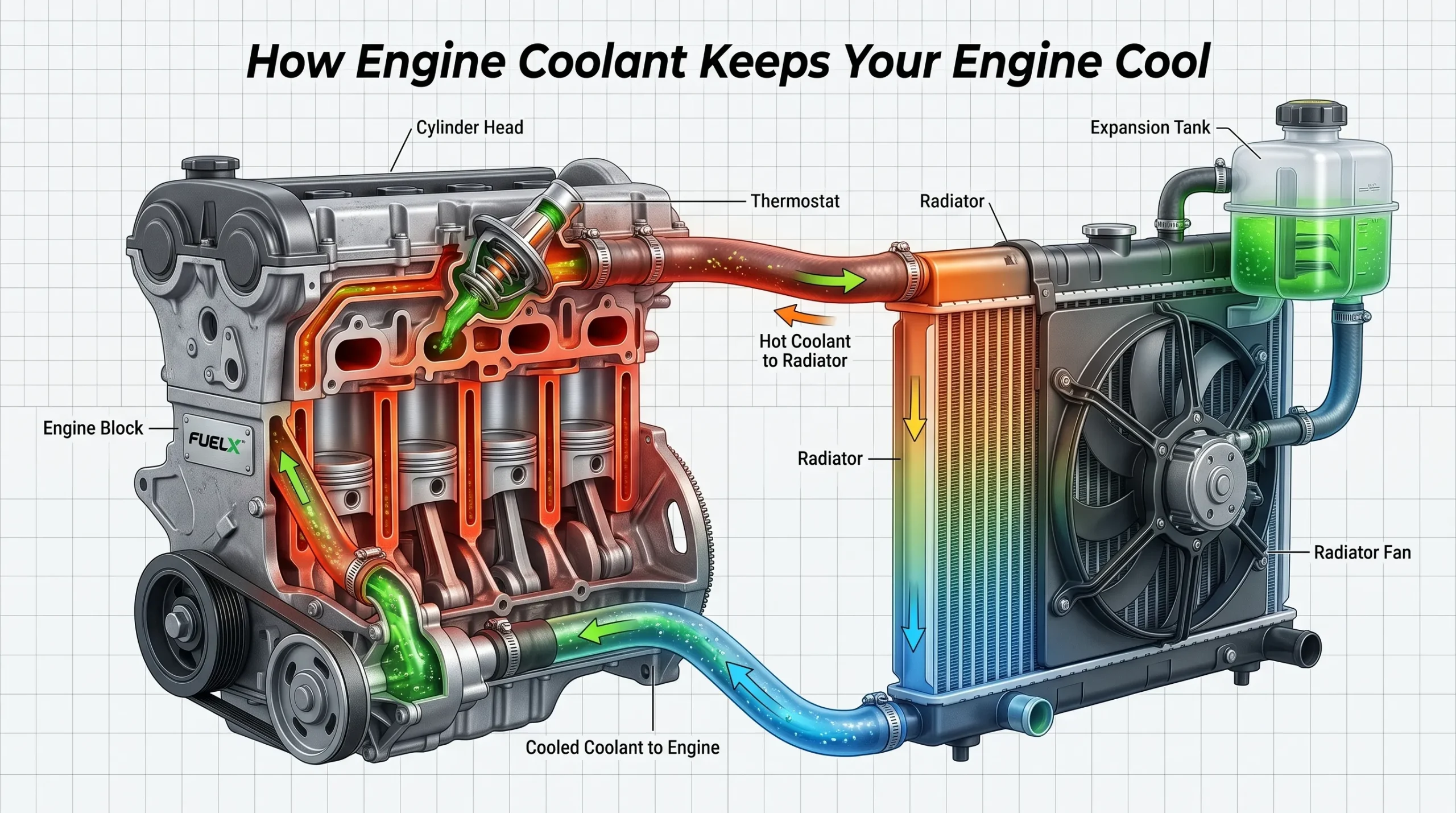
The cooling system operates in a closed loop designed to remove heat efficiently.
The water pump circulates coolant through the engine block and cylinder head, where it absorbs heat generated by combustion.
Once heated, the coolant flows to the radiator. As air passes through the radiator fins, heat dissipates into the atmosphere. The cooled liquid then returns to the engine to repeat the process.
The thermostat controls coolant flow, ensuring the engine reaches and maintains its ideal operating temperature, while the cooling fan assists airflow when the vehicle is stationary or moving slowly.
This continuous process prevents overheating and keeps the engine running efficiently.
Why Your Car Needs Both Engine Oil and Coolant
Some drivers believe that as long as the engine has oil, everything will work fine. Others only pay attention to the coolant when the temperature gauge rises. In reality, engine oil and engine coolant work together to keep your engine healthy, but they perform entirely different jobs.
Think of your engine as the human body:
Engine oil is like the blood, circulating throughout the engine to lubricate and protect vital components.
Engine coolant is like sweat, helping regulate temperature and prevent overheating.
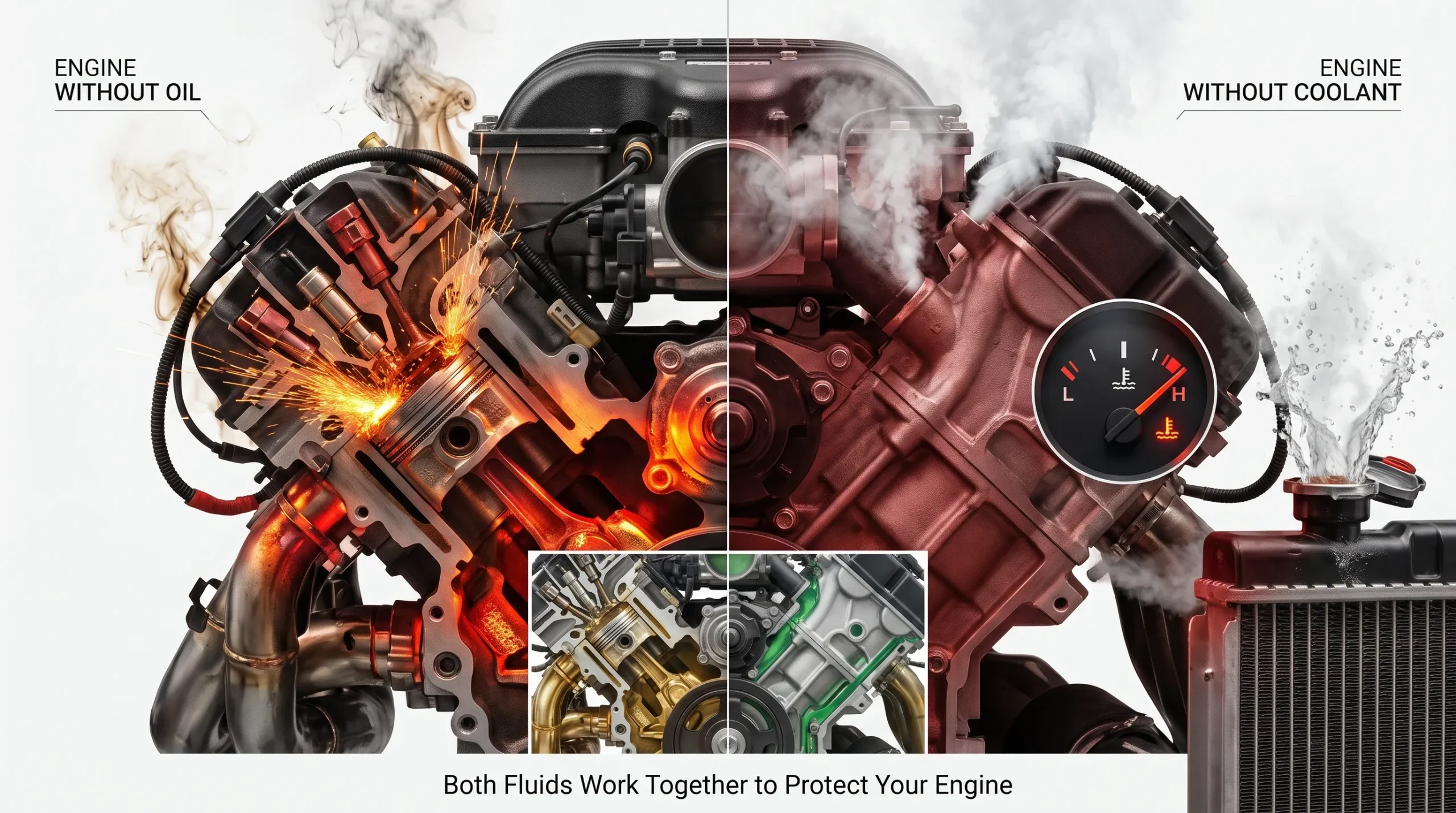
If either one is missing or not functioning properly, the engine can suffer severe damage.
What Happens Without Engine Oil?
Without sufficient engine oil:
Metal parts rub directly against each other.
Friction increases dramatically.
Engine temperature rises quickly.
Bearings and pistons wear rapidly.
The engine may seize completely.
Engine seizure is one of the most expensive repairs a vehicle owner can face and often requires a complete engine rebuild or replacement.
What Happens Without Engine Coolant?
Without coolant:
Heat builds up rapidly inside the engine.
The engine overheats.
Cylinder heads may warp.
Head gaskets can fail.
Radiators and water pumps may become damaged.
Long-term overheating can crack the engine block.
In Pakistan’s hot summers, driving without proper coolant can cause overheating within a short period, especially during traffic congestion or long highway trips.
Can Engine Oil Replace Engine Coolant?
The simple answer is No.
Although both are essential engine fluids, they are designed for completely different systems.
Engine oil is formulated to lubricate moving engine parts, while coolant is designed to absorb and transfer heat away from the engine. Oil is much thicker than coolant and cannot flow efficiently through the radiator, water pump, or cooling passages.
Adding engine oil to the cooling system can block coolant passages, damage hoses, reduce heat transfer, and lead to overheating.
Always use the correct fluid in the correct reservoir.
Can Engine Coolant Replace Engine Oil?
Again, the answer is Absolutely not.
Engine coolant does not provide any lubrication. If coolant is mistakenly added to the engine oil system, the moving engine components will operate without proper protection.
This can result in:
Severe metal-to-metal friction
Rapid wear of engine components
Bearing failure
Engine overheating
Complete engine seizure
Never substitute one fluid for the other, even in an emergency.
What Happens If Engine Oil and Coolant Mix?
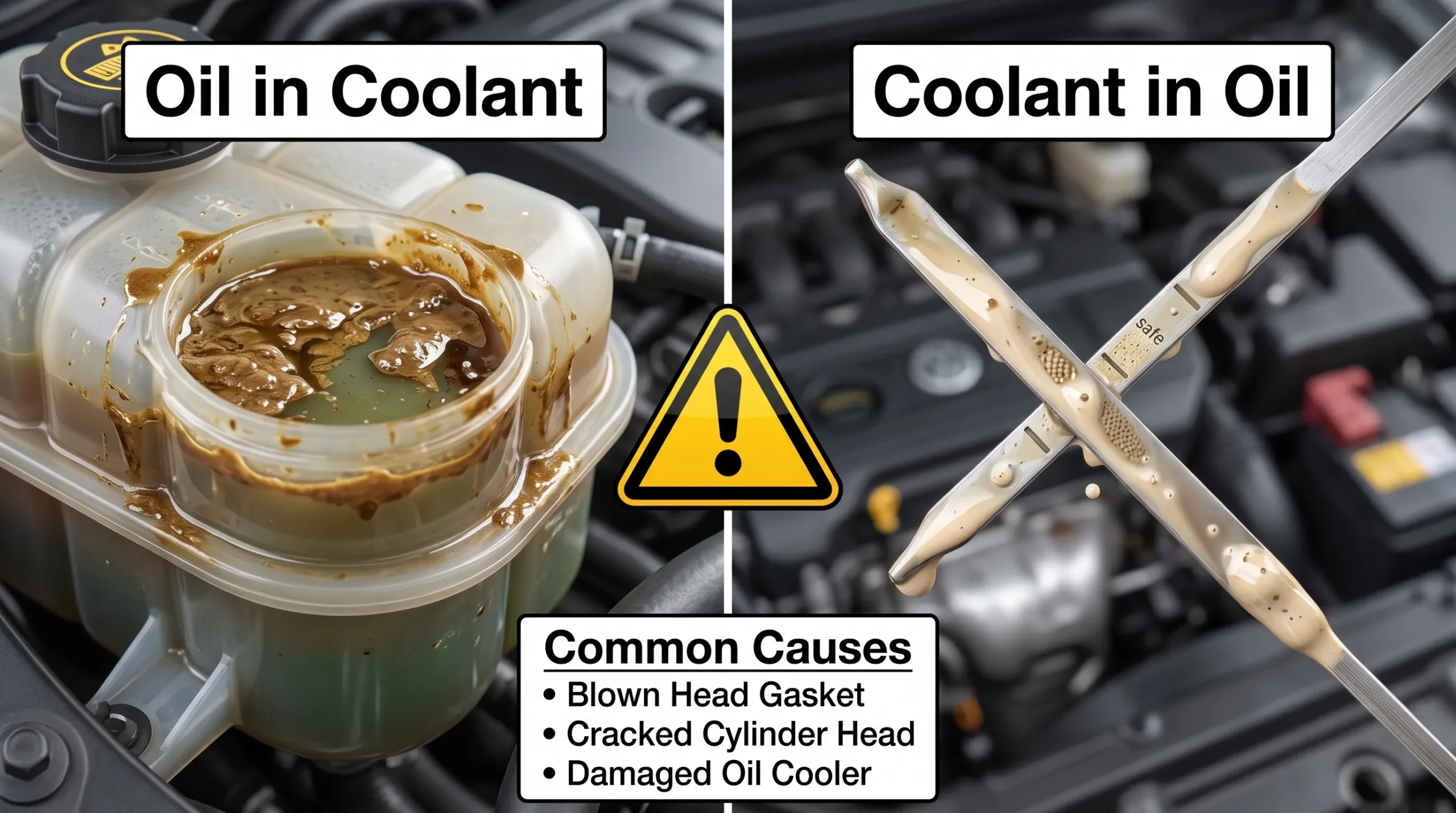
Engine oil and coolant are designed to remain in separate systems. If they mix, it usually indicates a serious mechanical problem that requires immediate attention.
Common Causes
Several issues can allow engine oil and coolant to mix, including:
Blown head gasket
Cracked cylinder head
Cracked engine block
Damaged oil cooler
Faulty engine seals
Ignoring these problems can lead to catastrophic engine damage.
Signs of Oil in Coolant
If engine oil enters the cooling system, you may notice:
Brown or black sludge inside the radiator
Oily residue floating in the coolant reservoir
Thick, muddy coolant
Frequent engine overheating
Reduced cooling efficiency
Signs of Coolant in Engine Oil
If coolant leaks into the engine oil, watch for these symptoms:
Milky or creamy engine oil
White smoke from the exhaust
Rising oil level on the dipstick
Unexplained coolant loss
Poor engine performance
Engine overheating
If you notice any of these warning signs, stop driving the vehicle and have it inspected as soon as possible.
Warning Signs Your Engine Oil Needs Changing
Engine oil naturally degrades over time due to heat, contamination, and oxidation. Driving with old or dirty oil reduces lubrication and accelerates engine wear.
Common signs include:
Dark, Dirty Oil
Fresh engine oil is usually amber in color. Over time, it becomes dark as it collects dirt and combustion deposits.
Increased Engine Noise
If the engine sounds louder than usual, the oil may no longer be providing adequate lubrication.
Oil Warning Light
An illuminated oil pressure warning light should never be ignored.
Burning Oil Smell
A burning smell may indicate overheating oil or an oil leak.
Reduced Fuel Economy
Old oil increases engine friction, causing the engine to work harder and consume more fuel.
Rough Engine Performance
Delayed acceleration, rough idling, or sluggish performance may indicate degraded engine oil.
Warning Signs Your Coolant Needs Replacement
Like engine oil, coolant also loses its protective properties over time.
Watch for these warning signs:
Engine Overheating
The most obvious sign that the cooling system isn’t working efficiently.
Rust-Colored Coolant
Healthy coolant should appear clean and brightly colored. Rusty or muddy coolant indicates contamination.
Low Coolant Level
Repeatedly topping up coolant without finding the cause may indicate a leak.
Sweet Smell Around the Vehicle
Coolant has a distinctive sweet odor. A noticeable smell often indicates a leak.
Visible Coolant Leaks
Green, pink, blue, or orange fluid beneath your parked car should never be ignored.
Fluctuating Temperature Gauge
If the engine temperature frequently rises and falls, the cooling system may need inspection.
Dirty Expansion Tank
Deposits or sludge inside the coolant reservoir often indicate degraded coolant or contamination.
Engine Oil and Coolant Maintenance Tips for Pakistani Drivers
Pakistan’s climate presents unique challenges for vehicle maintenance. High summer temperatures, dusty roads, stop-and-go traffic, and long-distance travel place additional stress on both the engine lubrication and cooling systems.
Follow these simple maintenance tips:
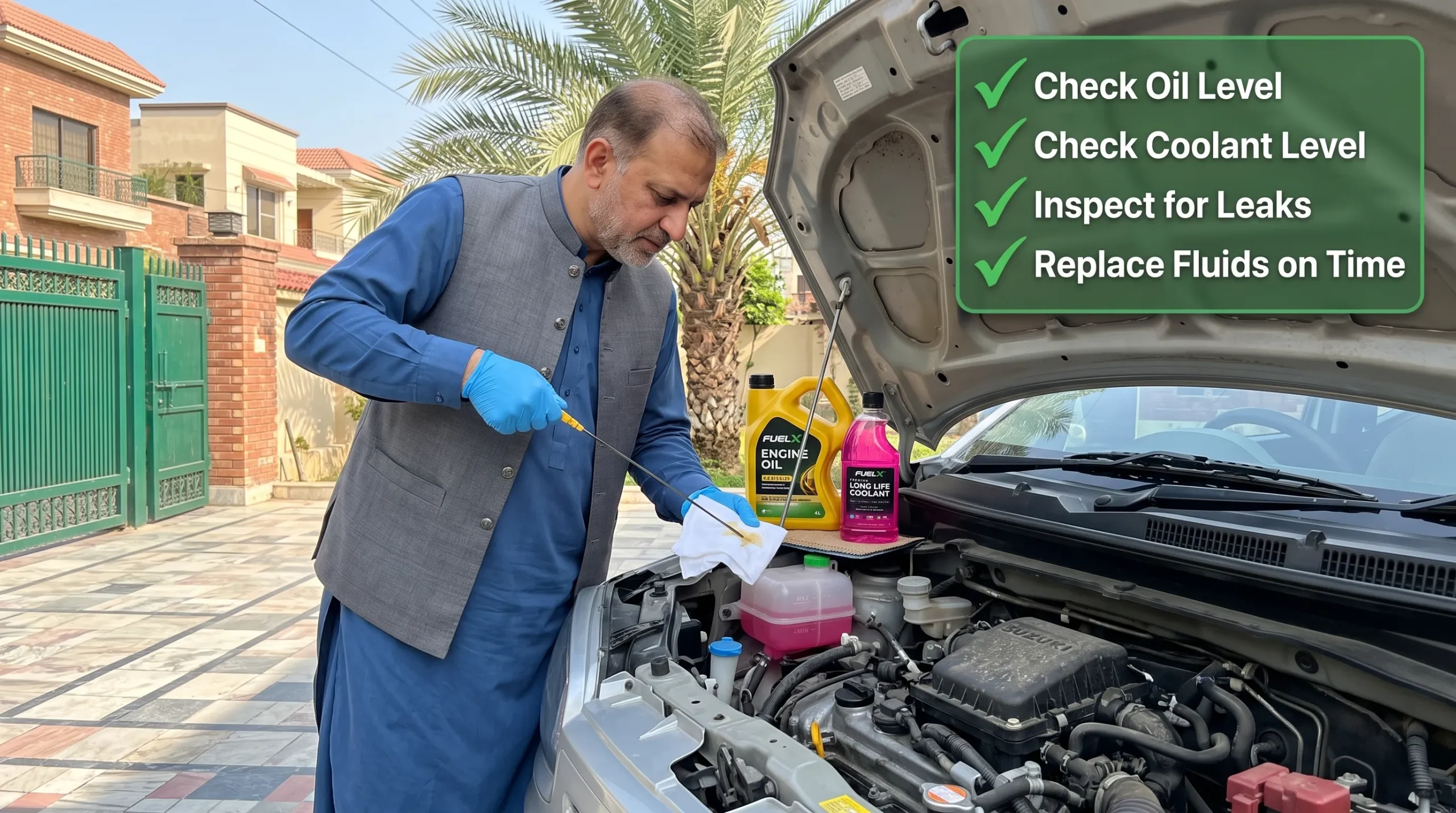
Check the engine oil level every one to two weeks using the dipstick.
Inspect the coolant level regularly through the expansion tank.
Never remove the radiator cap while the engine is hot.
Avoid using plain tap water in the cooling system, as it can cause corrosion and mineral deposits.
Always use the engine oil viscosity recommended in your vehicle owner’s manual.
Use the correct coolant specification recommended by your vehicle manufacturer instead of relying solely on coolant color.
Replace engine oil and coolant at the intervals recommended by the manufacturer or sooner under severe driving conditions.
Inspect the engine bay regularly for oil or coolant leaks.
Replace oil and coolant filters or related components whenever required.
Before long road trips, check both fluid levels to avoid unexpected breakdowns.
Regular maintenance costs far less than repairing an overheated or damaged engine.
Common Myths About Engine Oil and Coolant
There are many misconceptions about engine fluids that can lead to costly mistakes. Let’s clear up some of the most common myths.
Myth 1: Coolant Is Just Colored Water
Fact: Modern coolant contains corrosion inhibitors, anti-foaming agents, lubricants, and other additives that protect the cooling system. Plain water cannot provide the same level of protection.
Myth 2: Thicker Engine Oil Is Always Better
Fact: Using oil that is too thick can reduce fuel efficiency and may not flow properly during cold starts. Always use the viscosity recommended by your vehicle manufacturer.
Myth 3: Water Is Enough During Summer
Fact: Even in hot weather, coolant is essential because it raises the boiling point, prevents corrosion, and protects cooling system components.
Myth 4: All Coolants Are the Same
Fact: Different vehicles require different coolant formulations. Using the wrong type may reduce cooling performance or damage cooling system components.
Myth 5: If the Engine Isn’t Overheating, the Coolant Is Fine
Fact: Coolant additives degrade over time. Even if your engine maintains a normal temperature, old coolant may no longer protect against corrosion and scale buildup.
Final Thoughts
Although engine oil and engine coolant are often mentioned together, they perform two completely different yet equally important functions. Engine oil reduces friction, lubricates moving parts, and protects your engine from wear, while engine coolant controls temperature, prevents overheating, and safeguards the entire cooling system from corrosion and damage.
Neglecting either fluid can lead to expensive repairs, reduced fuel efficiency, and a shorter engine lifespan. This is especially important in Pakistan, where high temperatures, heavy traffic, dusty roads, and long-distance travel place extra demands on every vehicle.
By checking your engine oil and coolant regularly, following the recommended replacement intervals, and using high-quality products designed for your vehicle, you can improve performance, reduce maintenance costs, and enjoy greater peace of mind on every journey.
Whether you’re commuting daily, planning a long road trip, or simply maintaining your family car, understanding the difference between engine oil and engine coolant is a simple step that can make a significant difference in keeping your engine running reliably for years to come.
FAQ’s
Is engine oil the same as engine coolant?
No. Engine oil lubricates moving engine parts, while engine coolant regulates engine temperature. They serve different purposes and should never be used interchangeably.
Which is more important: engine oil or engine coolant?
Both are equally important. Engine oil prevents wear and friction, while coolant prevents overheating. A problem with either fluid can cause serious engine damage.
Can I drive with low coolant?
Driving with low coolant increases the risk of overheating, especially in Pakistan’s hot climate. If the coolant level is low, identify and fix the cause before continuing your journey.
Can I drive with low engine oil?
No. Low engine oil reduces lubrication, causing excessive wear and increasing the risk of complete engine failure. Always maintain the recommended oil level.
How often should I change engine oil?
The interval depends on your vehicle, driving conditions, and the type of oil used. Always follow the maintenance schedule provided by your vehicle manufacturer.
How often should coolant be replaced?
Coolant replacement intervals vary depending on the coolant formulation and vehicle manufacturer. Refer to your owner’s manual for the recommended service interval.
Can I top up coolant with water?
In an emergency, adding clean water may help temporarily, but it should not replace the correct coolant mixture. Restore the proper coolant concentration as soon as possible.
Why does my engine oil look milky?
Milky oil often indicates that coolant has mixed with the engine oil, usually due to a blown head gasket or another internal engine problem. Have the vehicle inspected immediately.
What happens if coolant enters the engine oil?
Coolant contamination reduces the oil’s lubricating ability, leading to increased engine wear, bearing damage, overheating, and potentially complete engine failure.
Which FuelX products can help protect my engine?
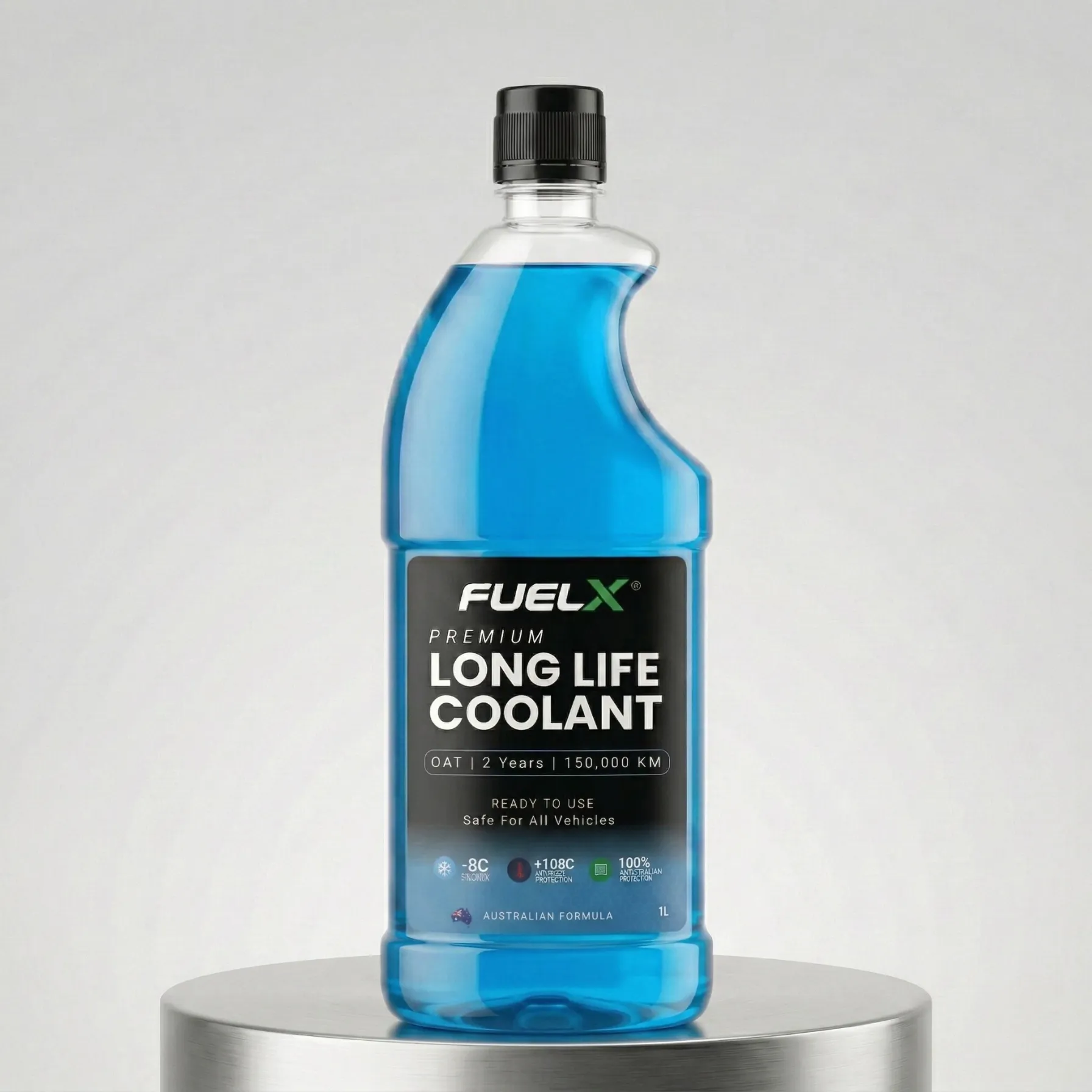
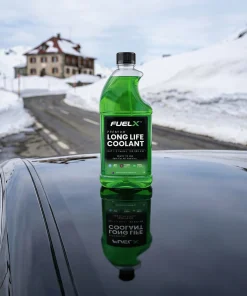
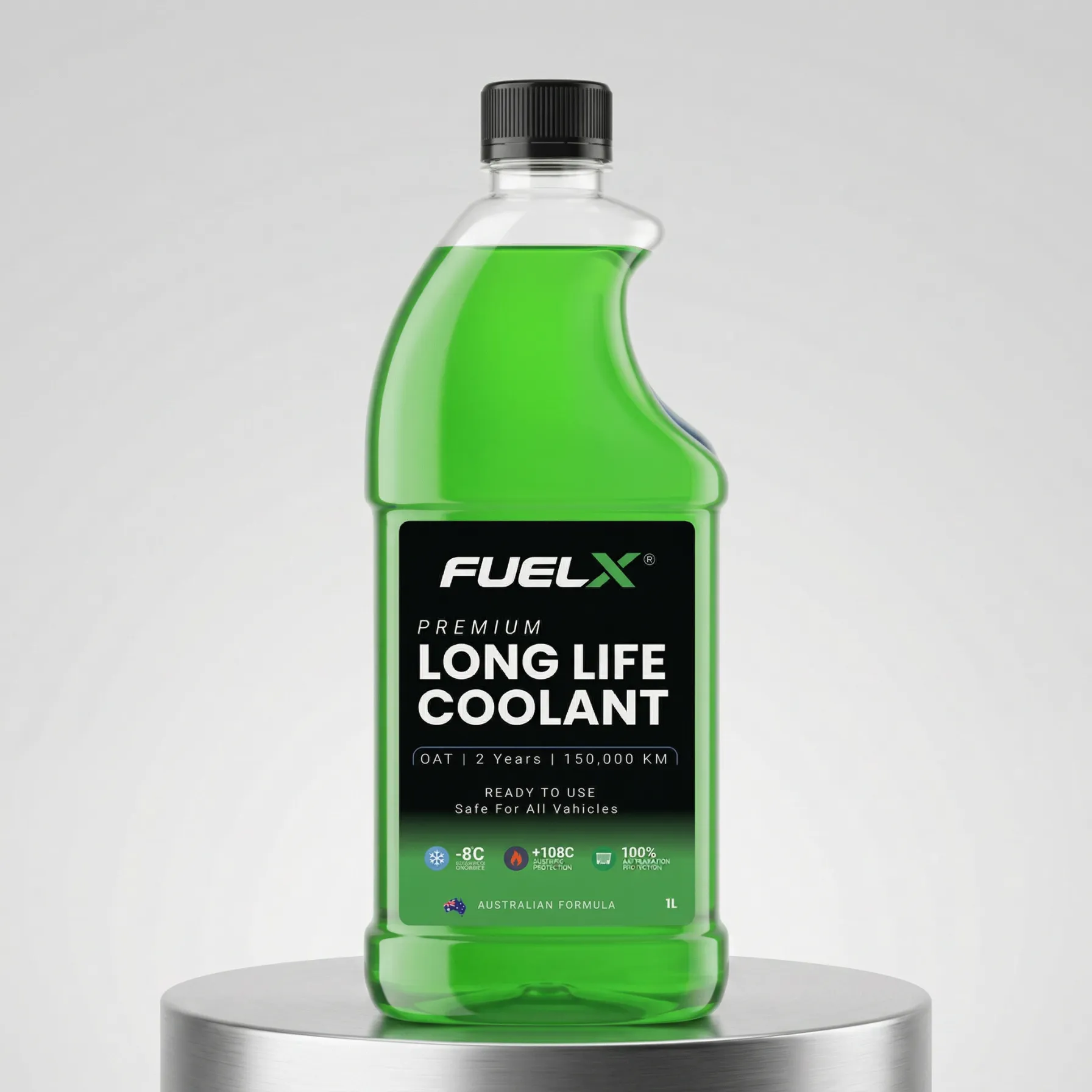
Using high-quality FuelX Engine Oil and FuelX Engine Coolant can help maintain proper lubrication, improve cooling efficiency, and protect your engine from wear and overheating. Always choose the product that matches your vehicle manufacturer’s specifications.