A car radiator is one of the most important components of your vehicle’s cooling system. Its job is simple but critical: keep the engine operating within a safe temperature range. When the radiator starts failing, the engine can overheat, leading to reduced performance, expensive repairs, and in severe cases, complete engine failure.
This is particularly important in Pakistan, where summer temperatures regularly exceed 40°C in cities like Lahore, Multan, Bahawalpur, and Karachi. Combined with heavy traffic, long commutes, and dusty road conditions, the cooling system often works harder than it would in many other countries.
The good news is that a failing radiator usually gives warning signs before a major breakdown occurs. Recognizing these symptoms early can save you thousands of rupees in repair costs and help prevent unexpected roadside emergencies.
In this guide, we’ll discuss seven common symptoms of a failing radiator, their causes, and what you should do if you notice them.
What Does a Car Radiator Do?
The radiator is responsible for removing excess heat from the engine.
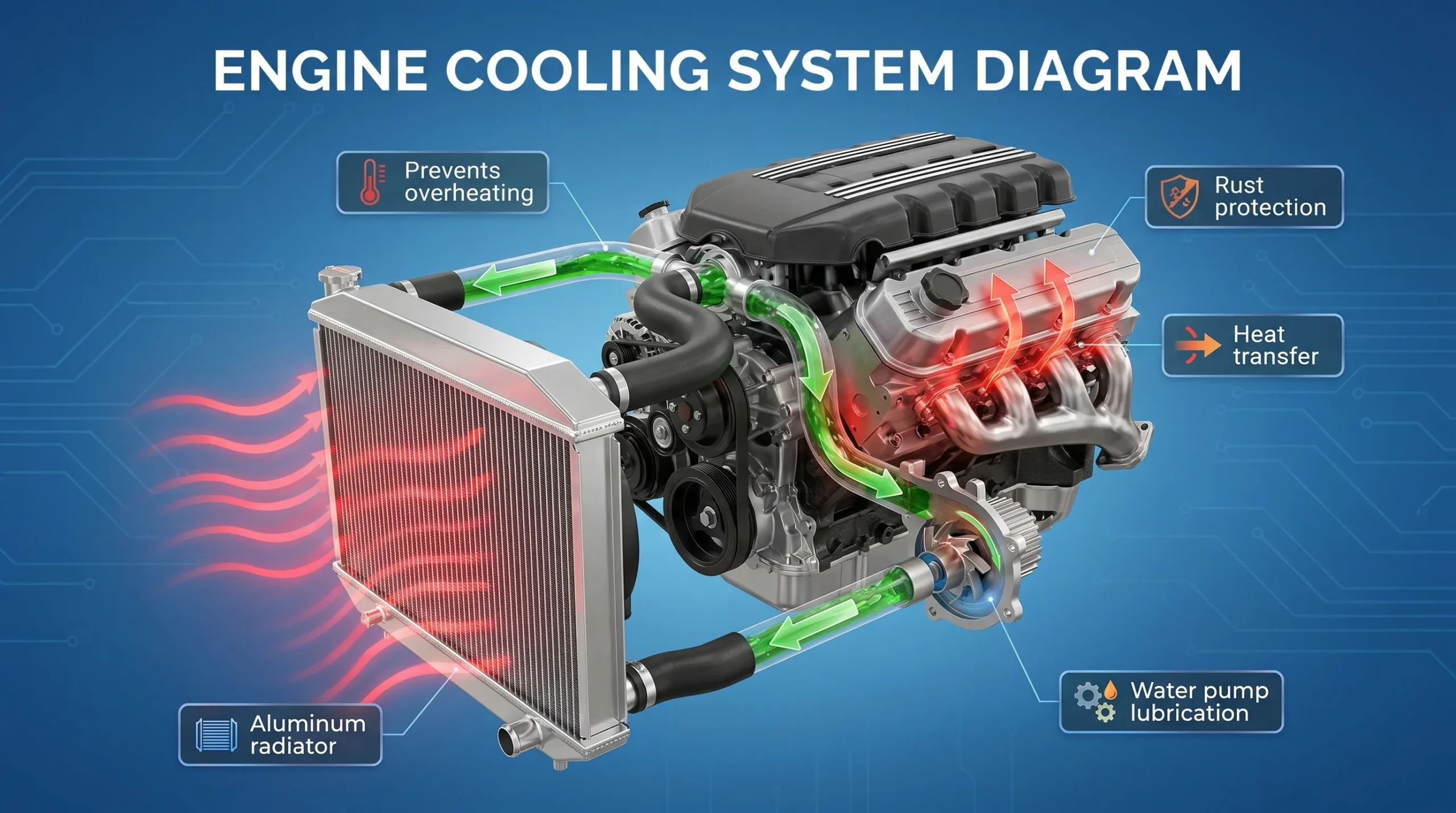
As the engine runs, combustion temperatures can exceed 2,000°C inside the cylinders. While most of this heat is managed internally, a significant amount must be removed to prevent engine damage. Coolant circulates through the engine, absorbs heat, and carries it to the radiator. The radiator then releases this heat into the surrounding air before sending the cooled fluid back through the engine.
Without a properly functioning radiator, engine temperatures can rise rapidly, especially during stop-and-go traffic or long highway drives in hot weather.
Modern engines are designed to operate at approximately 90°C to 105°C. Temperatures significantly above this range can damage head gaskets, warp cylinder heads, and shorten engine life.
1. Engine Overheating Frequently
Frequent overheating is one of the most obvious and serious signs of radiator trouble.
Why It Happens
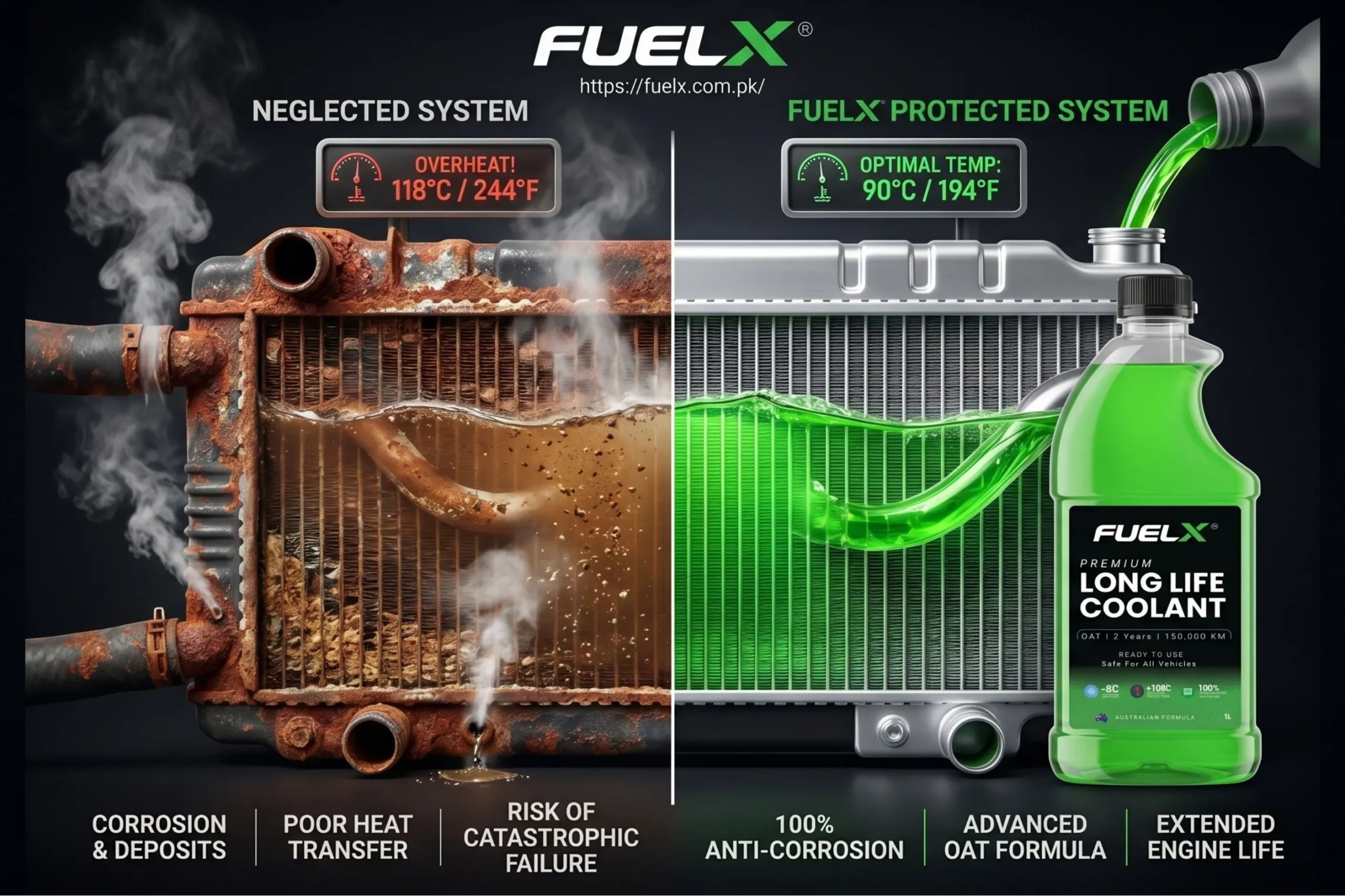
Over time, rust, scale, dirt, and coolant deposits can accumulate inside the radiator’s narrow passages. This restricts coolant flow and reduces the radiator’s ability to transfer heat.
Additionally, damaged radiator fins or internal corrosion can significantly reduce cooling efficiency.
Warning Signs
You may notice:
Temperature gauge consistently climbing above normal
Dashboard overheating warning light
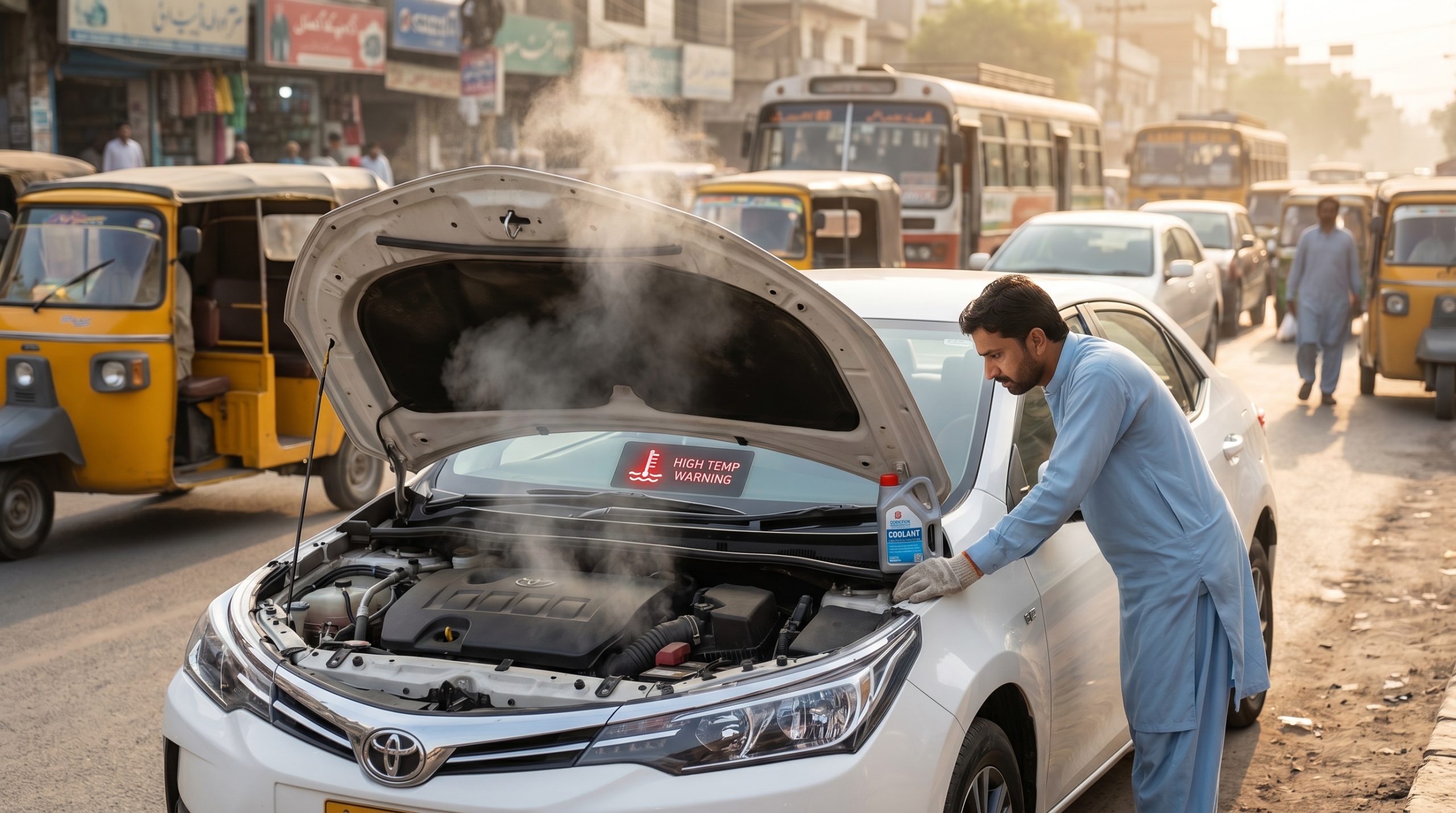
Steam coming from under the hood
Reduced air conditioning performance during hot weather
Engine temperature increasing while idling in traffic
In Pakistan’s summer conditions, a healthy cooling system should still maintain stable engine temperatures even when stuck in traffic. If the temperature gauge frequently rises, the radiator should be inspected immediately.
Ignoring overheating can result in engine repairs costing anywhere from Rs. 100,000 to over Rs. 500,000 depending on the vehicle.
2. Coolant Leaks Under the Vehicle
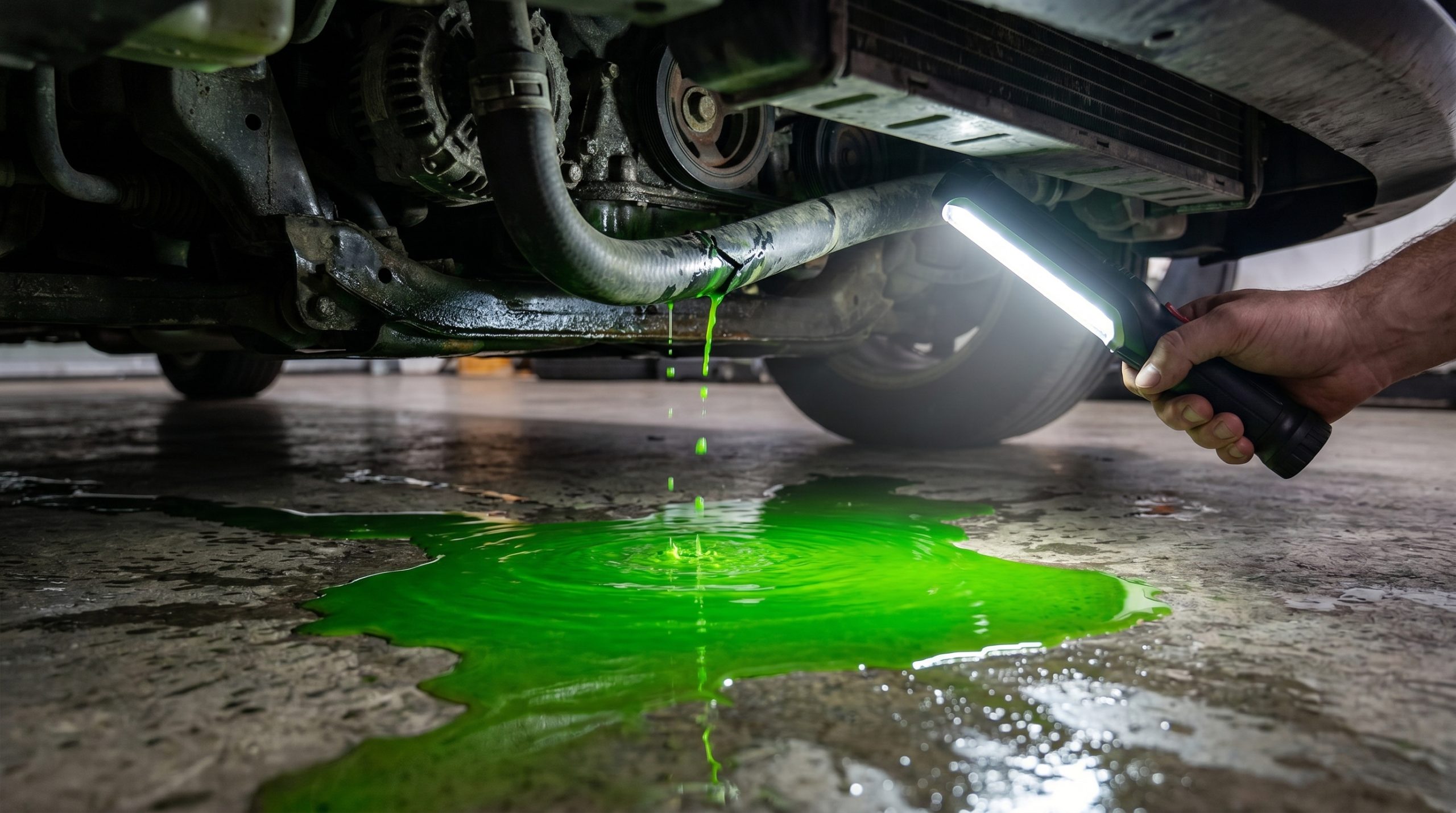
Coolant leaks are among the most common radiator-related problems.
Common Leak Locations
Leaks typically occur around:
Radiator seams
Plastic side tanks
Hose connections
Drain plugs
Cracked radiator cores
As radiators age, repeated heating and cooling cycles weaken seals and joints, making leaks more likely.
How to Identify Coolant Leaks
Look for:
Green, pink, or blue liquid under the vehicle
Wet spots near the front bumper area
A sweet smell around the engine
Coolant warning lights
Frequently decreasing coolant levels
Even a small leak can gradually reduce coolant levels and eventually lead to overheating.
For example, losing just 200–300 ml of coolant every few days may not seem serious initially, but over several weeks it can significantly impact cooling system performance.
3. Rust or Corrosion on the Radiator
Corrosion is one of the leading causes of radiator failure in Pakistan.
Causes of Corrosion
Corrosion usually develops when:
Coolant is not replaced on time
Plain tap water is used instead of coolant
Different coolant types are mixed
Low-quality coolant is used
Many vehicle owners mistakenly use ordinary water in their radiators to save money. While water can temporarily help cool the engine, it lacks the anti-corrosion additives found in proper coolant.
Why Corrosion Is Dangerous
Corrosion can:
Create leaks
Block coolant passages
Reduce cooling efficiency
Weaken radiator components
If left untreated, rust particles can circulate throughout the cooling system and damage the water pump, thermostat, and heater core.
Regular coolant changes are one of the simplest ways to prevent corrosion-related radiator damage.
4. Low Coolant Levels Despite Regular Top-Ups
If you’re constantly adding coolant but never find a visible leak, your radiator may have a hidden problem.
Hidden Radiator Issues
Possible causes include:
Hairline cracks in the radiator
Internal coolant leaks
Faulty radiator cap
Small leaks that evaporate before reaching the ground
These problems are often difficult to spot without a cooling system pressure test.
What Drivers Should Check
Inspect:
Coolant reservoir levels
Hose connections
Radiator cap seal
Areas around the radiator for dried coolant residue
If coolant levels continue to drop every few weeks, professional inspection is recommended.
A properly functioning cooling system should maintain stable coolant levels between scheduled maintenance intervals.
5. Sludge or Discolored Coolant
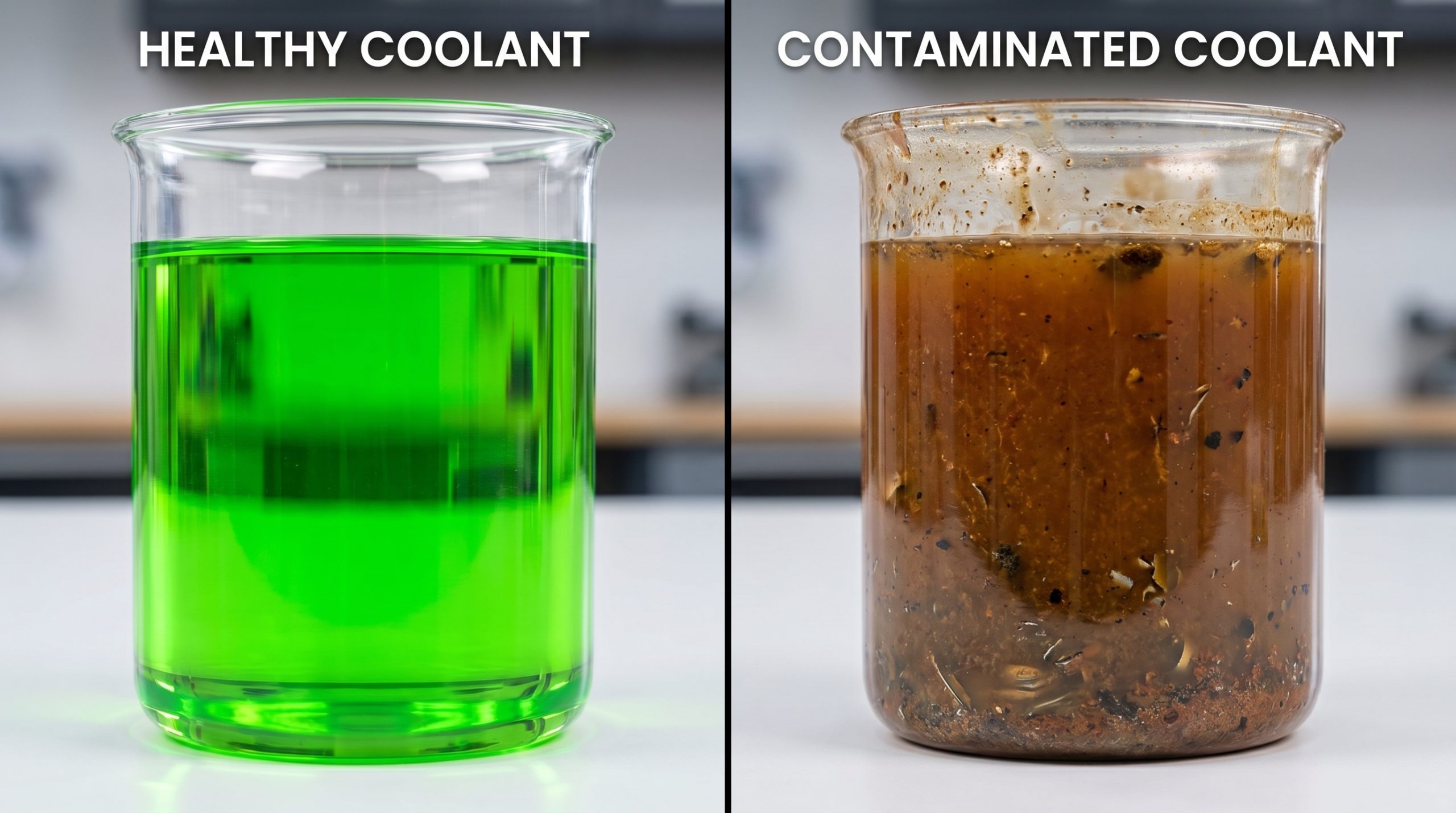
Coolant should always appear clean and maintain its original color.
What Healthy Coolant Looks Like
Depending on the type used, coolant may appear:
Green
Pink
Blue
Orange
The fluid should remain clear and free from debris.
Signs of Contamination
Warning signs include:
Brown coolant
Rust-colored fluid
Thick sludge
Floating particles inside the reservoir
Potential Risks
Contaminated coolant reduces cooling efficiency because deposits restrict coolant flow and reduce heat transfer.
In severe cases, sludge can block radiator channels completely, causing persistent overheating.
If coolant appears dirty or contaminated, a cooling system flush should be performed as soon as possible.
6. Damaged or Bent Radiator Fins
The radiator’s thin metal fins are responsible for releasing heat into the surrounding air.
What Radiator Fins Do
These fins dramatically increase the radiator’s surface area, helping heat dissipate more efficiently.
Without proper airflow through the fins, the radiator cannot effectively cool the coolant.
Causes of Fin Damage
Common causes include:
Flying stones
Road debris
Pressure washers
Minor front-end impacts
Poor cleaning practices
Impact on Cooling Performance
Even if the radiator itself isn’t leaking, damaged fins can reduce cooling efficiency by restricting airflow.
This problem becomes particularly noticeable during:
Summer driving
Long-distance travel
Mountain driving
Traffic congestion
A visual inspection of the radiator can often reveal fin damage before overheating problems occur.
7. Sweet Smell Coming from the Engine Bay
Many drivers notice a sweet smell before they ever see a coolant leak.
What Causes the Smell?
Engine coolant contains ethylene glycol or similar chemicals that produce a distinctive sweet odor.
This smell occurs when coolant:
Leaks onto hot engine components
Escapes through small radiator cracks
Evaporates due to excessive heat
Why You Shouldn’t Ignore It
A sweet smell often indicates the early stages of a coolant leak.
Addressing the issue immediately may prevent larger leaks and costly repairs later.
If you notice the smell consistently, inspect coolant levels and have the cooling system checked.
What Causes a Radiator to Fail?
Several factors contribute to radiator failure:
Old or contaminated coolant
Internal corrosion
Using plain water instead of coolant
Poor maintenance practices
Extreme temperatures
Road debris damage
Aging plastic tanks and seals
Most radiator problems develop gradually, which is why routine inspections are so important.
How to Prevent Radiator Problems
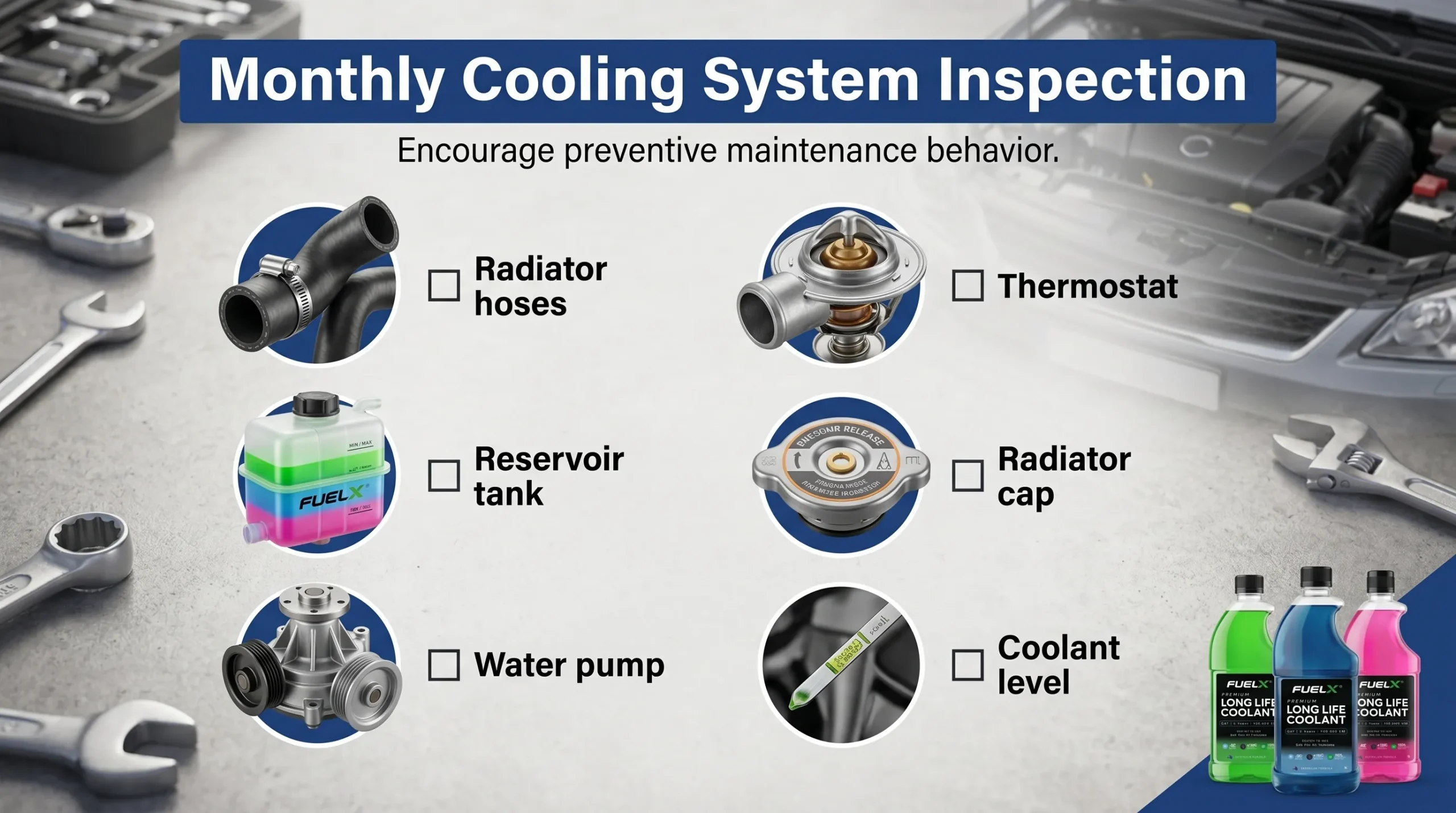
Preventive maintenance is significantly cheaper than repairing an overheated engine.
Maintenance Tips
Check coolant levels monthly
Inspect hoses for cracks and leaks
Replace coolant according to manufacturer recommendations
Use high-quality coolant designed for your vehicle
Avoid mixing different coolant types
Keep radiator fins clean and unobstructed
Inspect the cooling system before summer begins
For most vehicles in Pakistan, coolant should typically be replaced every 40,000–60,000 kilometers or every 2–3 years, depending on the coolant type and manufacturer guidelines.
When Should You Replace Your Radiator?
A radiator may need replacement if you experience:
Persistent overheating
Severe corrosion
Multiple coolant leaks
Cracked radiator tanks
Extensive fin damage
Repeated repair expenses
While minor leaks can sometimes be repaired, replacing a severely damaged radiator is often the most reliable long-term solution.
Conclusion
A failing radiator rarely stops working without warning. Symptoms such as engine overheating, coolant leaks, rust, low coolant levels, contaminated coolant, damaged fins, and sweet-smelling coolant odors often appear long before complete failure occurs.
By recognizing these signs early and maintaining your cooling system properly, you can avoid costly repairs and keep your vehicle running reliably throughout Pakistan’s demanding weather conditions.
Regular inspections, timely coolant changes, and the use of high-quality coolant can significantly extend the life of your radiator and protect your engine from overheating-related damage.
FAQ’s
Can I drive with a failing radiator?
Driving with a failing radiator is risky. Even a short trip can cause overheating and potentially severe engine damage.
How long does a car radiator typically last?
Most radiators last between 8 and 15 years, depending on maintenance, climate conditions, and coolant quality.
What is the most common radiator problem?
Coolant leaks are the most frequently reported radiator issue and are often caused by aging seals or corrosion.
Can bad coolant damage a radiator?
Yes. Contaminated or old coolant can accelerate corrosion, create sludge deposits, and reduce cooling system efficiency.
How much does radiator replacement cost in Pakistan?
Depending on the vehicle model, radiator replacement can cost anywhere from Rs. 15,000 to Rs. 80,000 or more, excluding labor charges.