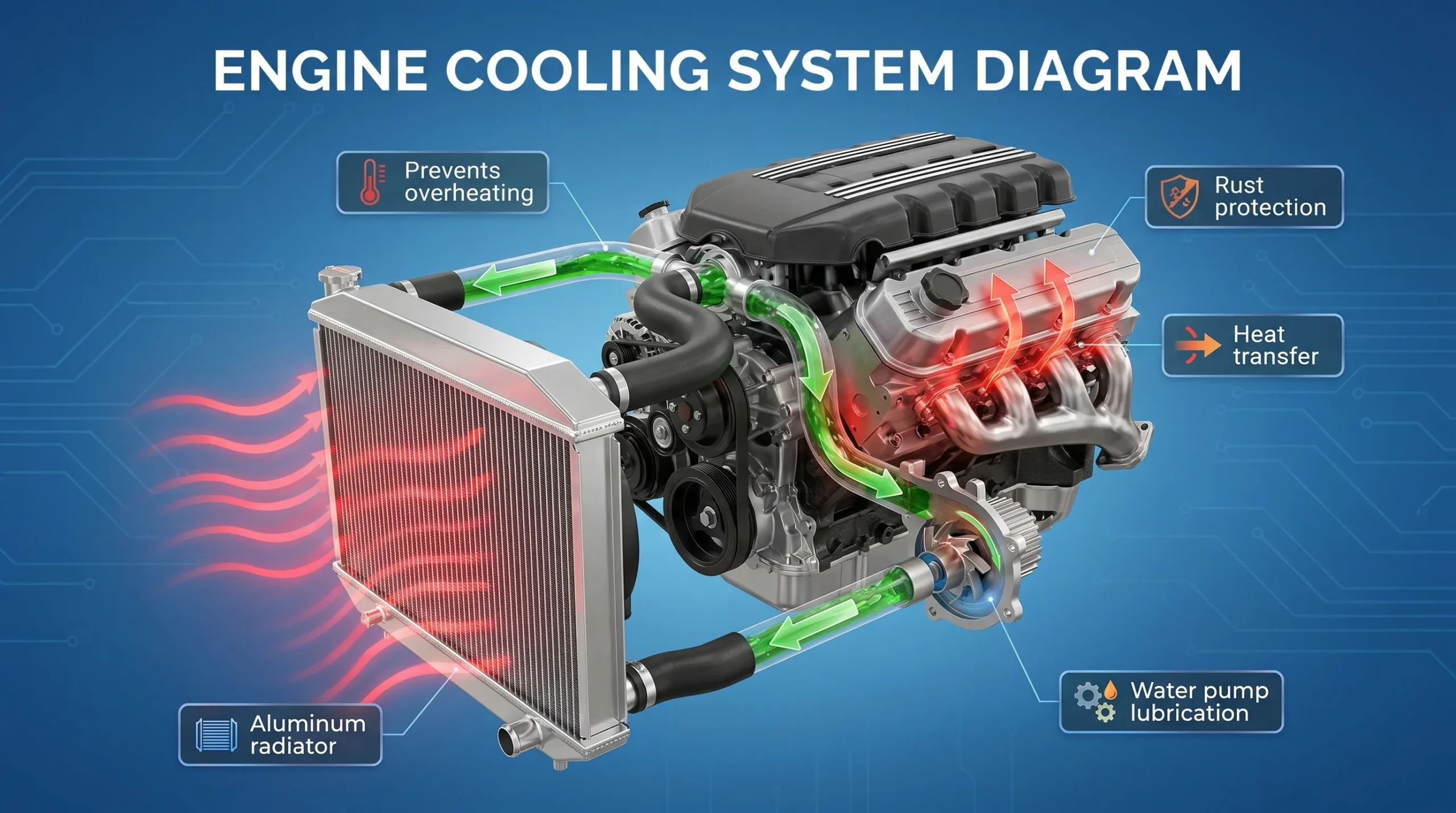
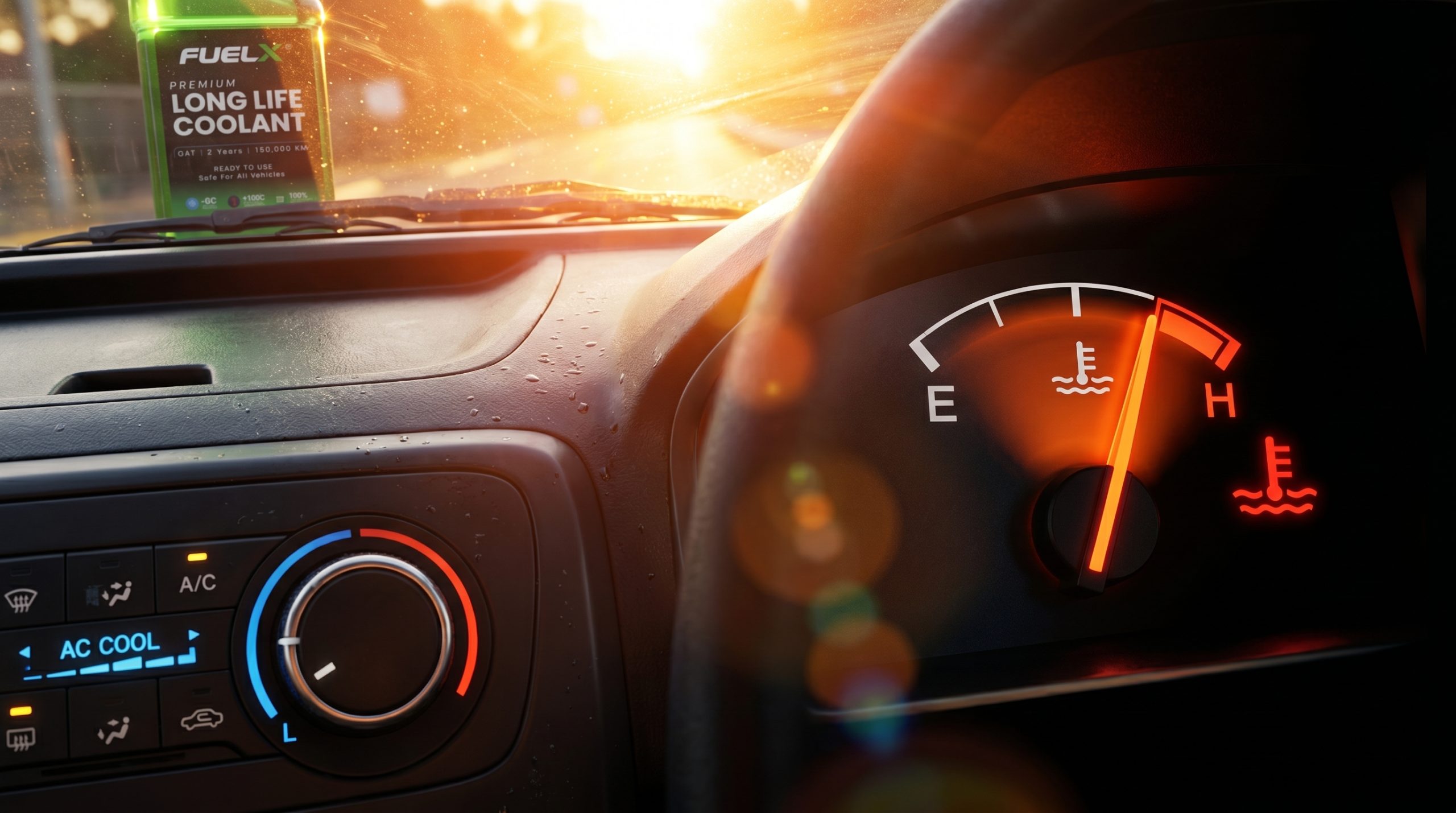
A car’s cooling system works harder than many drivers realize. While the engine generates temperatures exceeding 90°C during normal operation, the radiator and coolant system work continuously to keep those temperatures under control. In Pakistan, where summer temperatures can reach 45°C or higher in cities like Lahore, Multan, Bahawalpur, and Karachi, the cooling system faces even greater stress.
A small radiator leak may seem harmless at first, but even minor coolant loss can gradually reduce the cooling system’s ability to regulate engine temperature. If left untreated, a simple leak can lead to overheating, head gasket failure, warped engine components, and repair bills that can range from tens of thousands to several lakhs of rupees depending on the vehicle.
The good news is that radiator leaks rarely occur without warning. Understanding the early signs can help you identify problems before they become expensive repairs.
What Is a Radiator Leak?
The radiator is a heat exchanger located at the front of the vehicle. Coolant circulates through the engine, absorbs heat, and then flows through the radiator where airflow removes excess heat before the coolant returns to the engine.
A radiator leak occurs when coolant escapes from the radiator, hoses, clamps, reservoir, or other cooling system components.
Most radiators are designed to last between 8 and 15 years under normal conditions. However, factors such as poor-quality coolant, infrequent maintenance, excessive heat, and corrosion can significantly reduce their lifespan.
Common causes of radiator leaks include:
Internal corrosion
Damaged radiator fins or tubes
Cracked plastic end tanks
Loose hose connections
Worn radiator hoses
Faulty radiator caps
Road debris impact damage
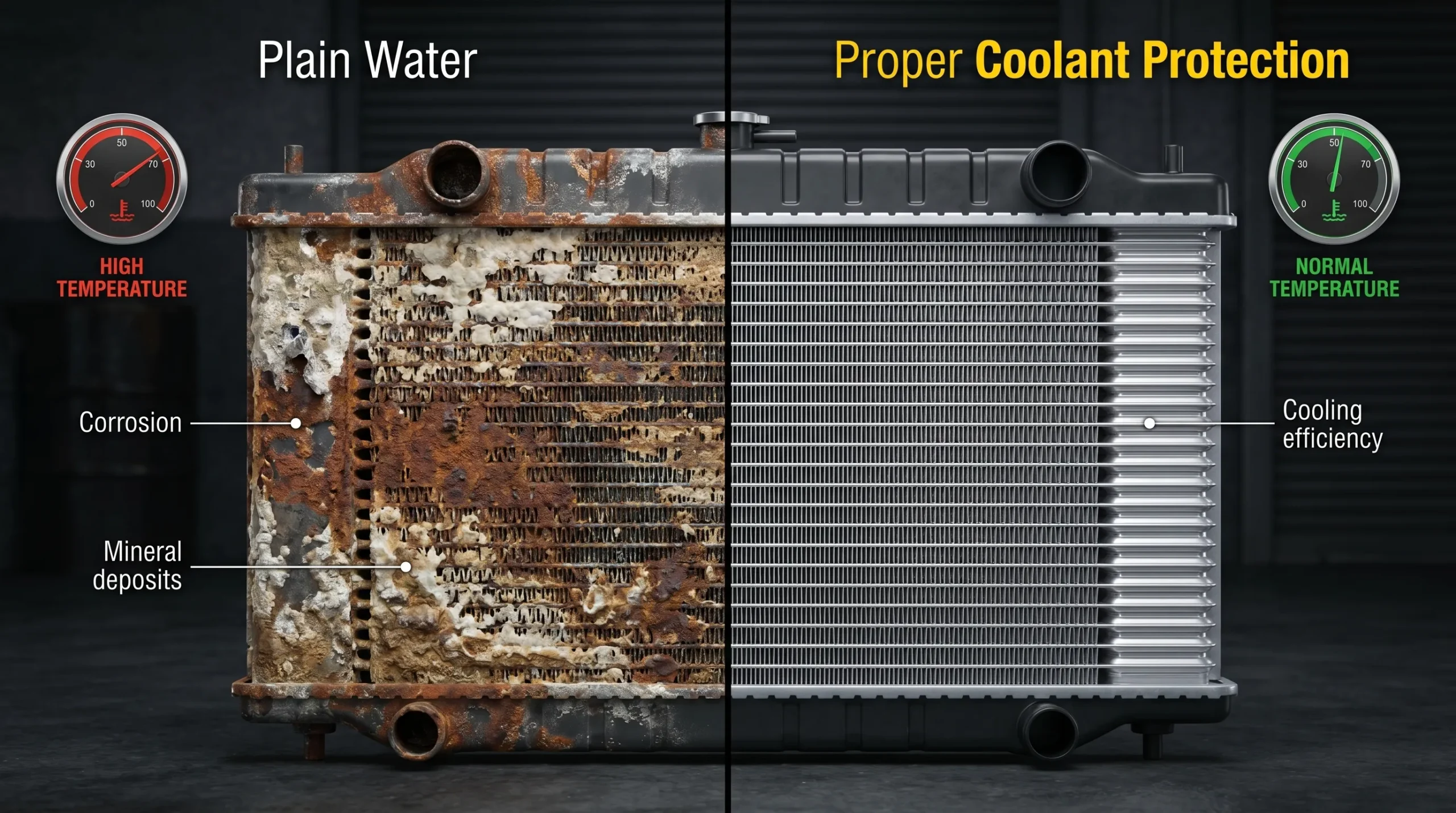
Using plain water instead of coolant
Many Pakistani drivers still rely on plain water in their cooling systems. While water can provide temporary cooling, it lacks corrosion inhibitors and anti-rust additives, which often accelerates radiator deterioration.
10 Radiator Leak Signs Every Driver Should Know
1. Coolant Puddles Under the Car
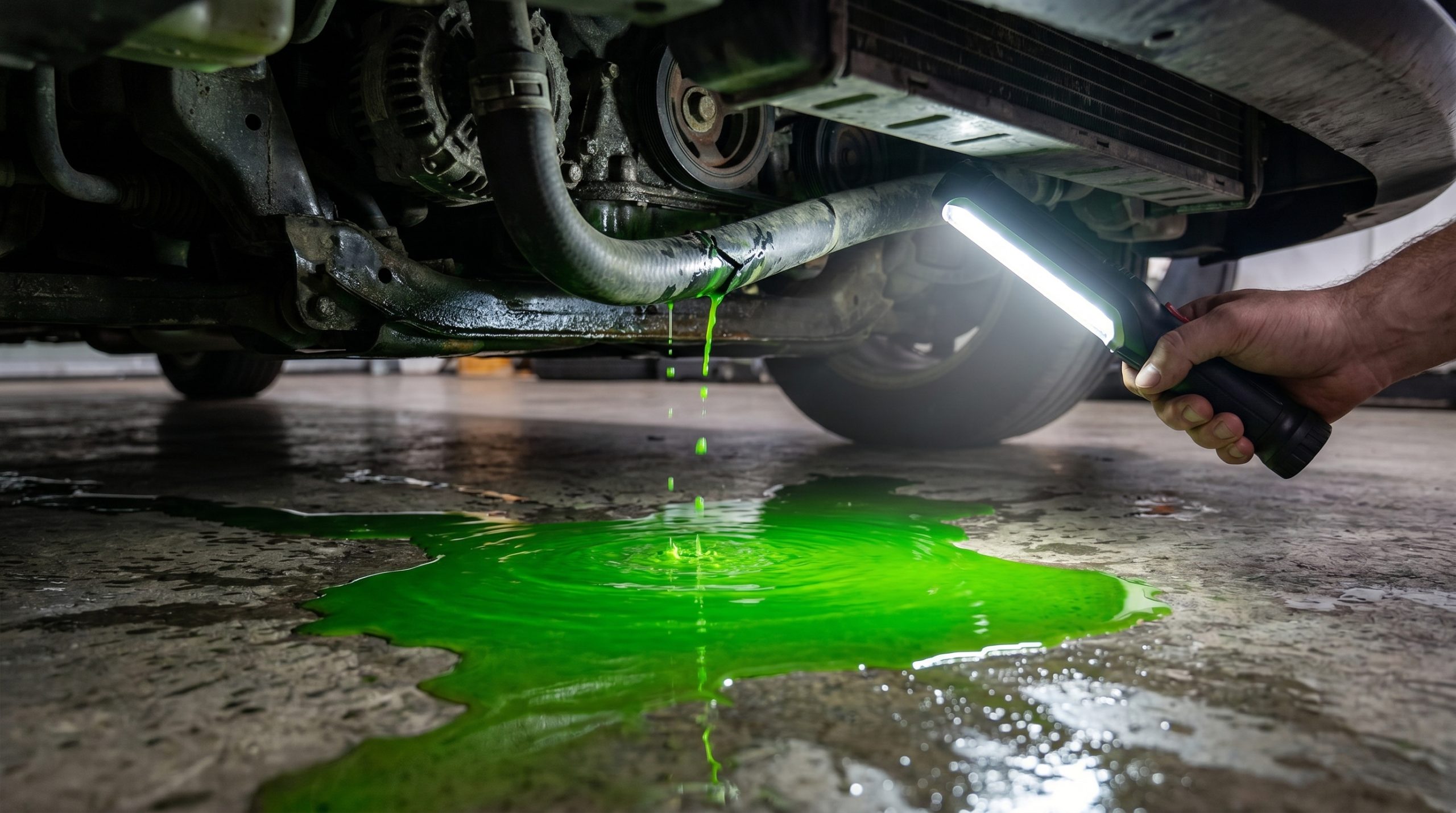
One of the earliest and most obvious signs of a radiator leak is finding coolant underneath your vehicle after it has been parked.
Unlike water from the air conditioning system, coolant usually appears:
Green
Red
Orange
Pink
Blue
Depending on the coolant type used.
A healthy cooling system is sealed. Therefore, any noticeable coolant puddle should be investigated immediately.
For example, if you park your vehicle overnight and repeatedly notice colored fluid under the front bumper area, there is a strong possibility of a leak somewhere within the cooling system.
2. Engine Temperature Rising Frequently
Most modern vehicles operate within a temperature range of approximately 85°C to 105°C.
When coolant levels drop due to a leak, the cooling system becomes less effective at transferring heat away from the engine.
You may notice:
Temperature gauge climbing above normal
Engine running hotter in traffic
Temperature spikes while using air conditioning
Frequent overheating warnings
This symptom is particularly common during Pakistan’s summer season when ambient temperatures can exceed 40°C.
3. Coolant Level Keeps Dropping
A properly functioning cooling system should not require frequent coolant top-ups.
If you need to refill coolant every few days or weeks, there is likely an underlying leak.
Many leaks begin as microscopic cracks that allow coolant to escape slowly. Because the coolant evaporates quickly on hot engine components, drivers often notice falling coolant levels before they see visible leaks.
Checking the coolant reservoir once every two to four weeks can help identify this issue early.
4. Sweet Smell Coming From the Engine Bay
Engine oil usually has a burnt smell, while coolant produces a sweet, syrup-like odor.
This smell occurs because modern coolants contain chemicals such as ethylene glycol or propylene glycol.
If you consistently notice a sweet smell after driving, especially near the front of the vehicle, coolant may be leaking and evaporating before it reaches the ground.
Many small radiator leaks are first detected through smell rather than visible fluid loss.
5. Steam Coming From Under the Hood
Steam is one of the most serious radiator leak warning signs.
When coolant leaks onto hot engine surfaces, temperatures can instantly convert the liquid into steam.
Drivers may observe:
White vapor from the hood
Steam after stopping the vehicle
Visible moisture around the radiator area
If steam appears, stop driving as soon as it is safe.
Continuing to drive while the engine is overheating can result in major engine damage within a relatively short period.
6. Low Coolant Warning Light Appears
Many modern vehicles are equipped with coolant level sensors.
The coolant warning light may illuminate when:
Coolant levels drop below the safe limit
Excessive overheating occurs
The cooling system pressure changes
Drivers often make the mistake of simply topping up coolant and ignoring the root cause.
If the warning light returns repeatedly, a leak inspection should be performed immediately.
7. Rust or Corrosion Around the Radiator
Corrosion is one of the leading causes of radiator failure worldwide.
When coolant loses its protective additives over time, internal rust formation can begin inside the radiator.
Signs of corrosion include:
Rust-colored stains
White mineral deposits
Greenish buildup around connections
Corroded metal surfaces
These deposits often indicate that coolant has been leaking slowly for an extended period.
8. White or Colored Residue Around Hoses
Coolant often leaves behind dried residue after evaporation.
Inspect:
Hose connections
Radiator seams
Reservoir caps
Thermostat housing areas
White, pink, green, or orange deposits usually indicate previous coolant leakage.
These stains act like a roadmap, helping identify the source of the leak.
9. Poor Air Conditioning Performance
Many drivers are surprised to learn that cooling system problems can affect cabin comfort.
When an engine begins overheating, the additional heat load can reduce air conditioning efficiency.
Common symptoms include:
AC becoming less cold in traffic
Cooling performance dropping while idling
Cabin temperature increasing during overheating events
This symptom is particularly noticeable during Pakistan’s peak summer months.
10. Reduced Engine Performance
Engines are designed to operate within specific temperature ranges.
When overheating occurs due to coolant loss, engine performance may suffer.
Drivers may experience:
Reduced acceleration
Sluggish performance
Increased fuel consumption
Engine knocking
Rough operation
Prolonged overheating can eventually damage critical engine components and significantly increase repair costs.
How to Check for a Radiator Leak at Home
You can perform a basic inspection without special tools.
Step 1: Inspect Under the Vehicle
Look for coolant stains or puddles beneath the engine compartment after parking overnight.
Step 2: Check the Coolant Reservoir
Only inspect coolant levels when the engine is completely cool.
The coolant level should remain between the MIN and MAX markings.
Step 3: Examine Radiator Hoses
Inspect hoses for:
Cracks
Bulges
Soft spots
Leaking connections
Most radiator hoses typically require replacement every 4 to 6 years depending on operating conditions.
Step 4: Inspect the Radiator
Check for:
Corrosion
Damaged fins
Wet spots
Coolant stains
Step 5: Look for Dried Coolant Deposits
Colored residue often reveals slow leaks that may otherwise go unnoticed.
What Happens If You Ignore a Radiator Leak?
Ignoring a radiator leak can create a chain reaction of expensive problems.
A minor hose repair may cost only a fraction of what a complete engine rebuild could require.
How to Prevent Radiator Leaks
Prevention is always more affordable than repairs.
Use High-Quality Coolant
Quality coolant contains corrosion inhibitors that help protect radiator components from rust and internal damage.
Inspect the Cooling System Monthly
A five-minute visual inspection can often identify leaks before they become serious.
Replace Aging Components
Old hoses, clamps, and radiator caps should be replaced before failure occurs.
Flush Coolant at Recommended Intervals
Most manufacturers recommend coolant replacement every 40,000 to 80,000 kilometers, depending on the coolant type and vehicle requirements.
Avoid Using Plain Water
Water alone does not provide corrosion protection and may contribute to rust formation, mineral deposits, and cooling system deterioration.
FuelX Recommendation
Pakistan’s climate places significant demands on vehicle cooling systems. Long traffic jams, high ambient temperatures, and dusty driving conditions can accelerate cooling system wear.
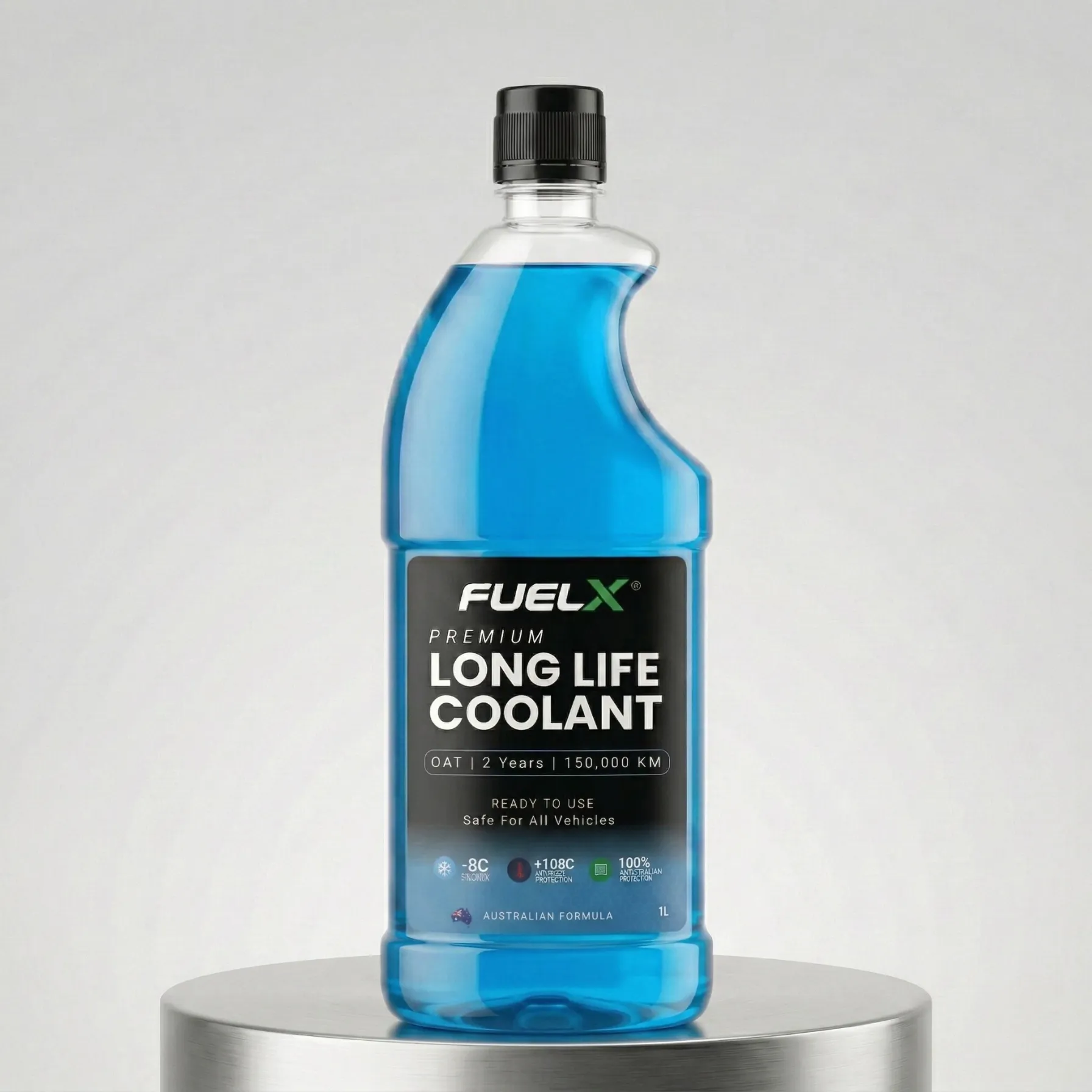
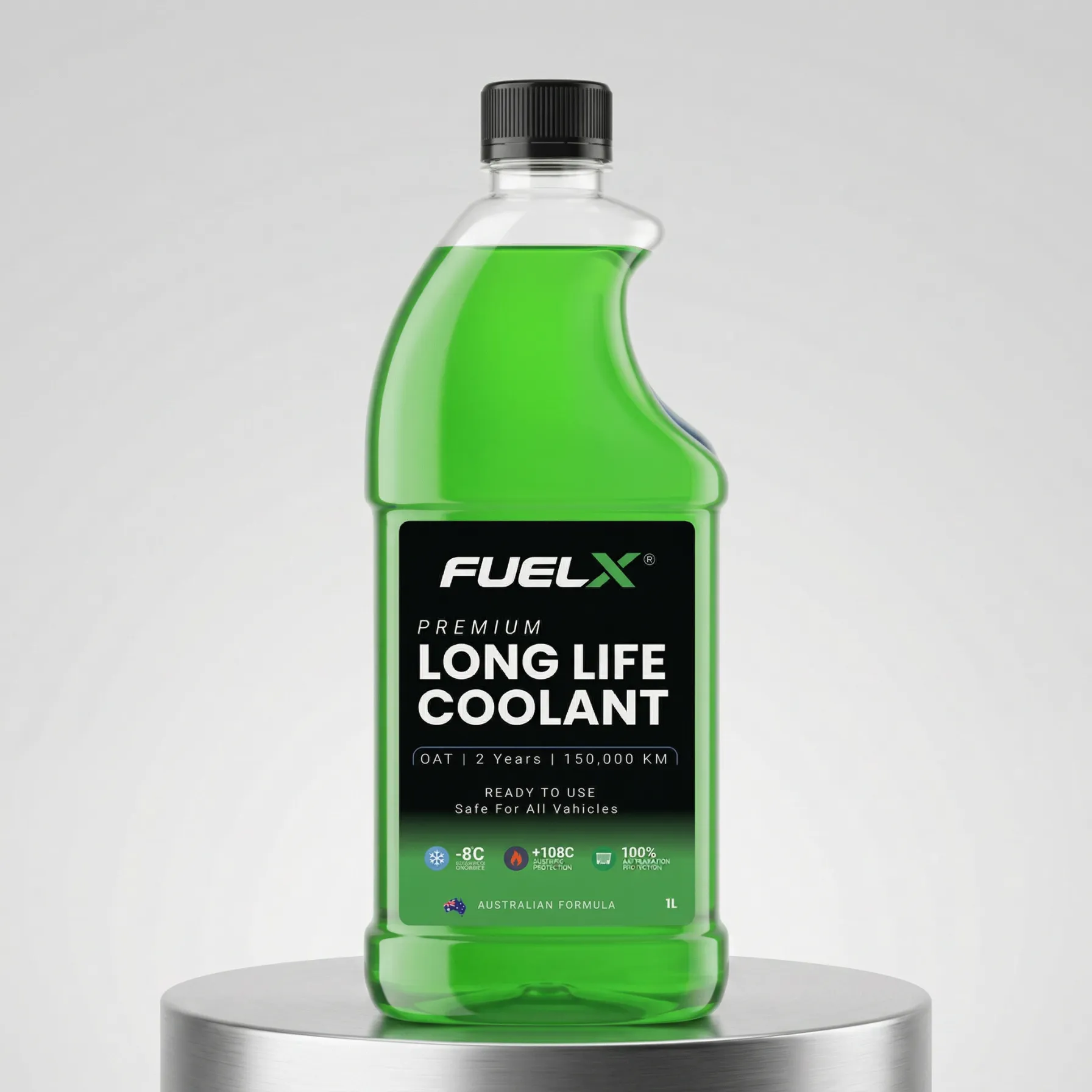
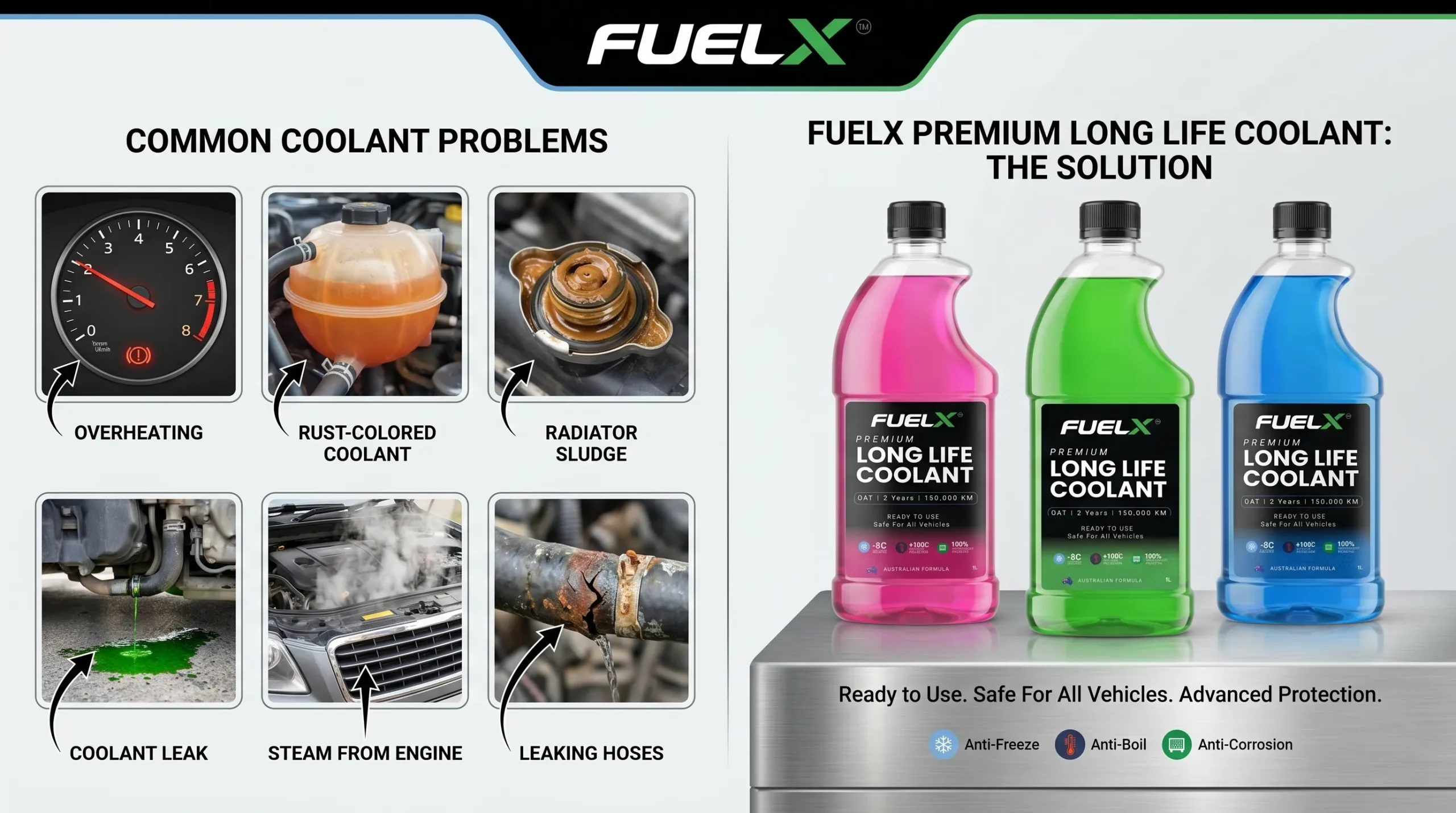
Using a high-quality coolant such as FuelX Coolant can help:
Improve heat transfer efficiency
Protect against corrosion
Reduce scale formation
Extend radiator life
Support consistent engine temperatures throughout the year
Combined with regular maintenance, quality coolant can significantly reduce the likelihood of radiator leaks and overheating issues.
When Should You Visit a Mechanic?
Seek professional assistance immediately if you experience:
Repeated coolant loss
Persistent overheating
Visible radiator damage
Steam from the engine bay
Frequent coolant warning lights
Coolant contamination or discoloration
Early diagnosis can prevent minor cooling system problems from becoming major engine repairs.
Wrapping Up
Radiator leaks are among the most common causes of engine overheating, but they rarely happen without warning. Coolant puddles, rising temperatures, steam, sweet smells, corrosion, and falling coolant levels are all signs that should be taken seriously.
Regular inspections, timely maintenance, and the use of quality coolant can help keep your cooling system operating efficiently. By identifying radiator leak signs early, you can avoid expensive repairs, improve engine reliability, and keep your vehicle running safely in Pakistan’s demanding driving conditions.
FAQ’s
How do I know if my radiator is leaking?
Common signs include coolant puddles under the car, low coolant levels, engine overheating, steam from the hood, and visible coolant residue around the radiator.
Can I drive with a small radiator leak?
It is not recommended. Even a small leak can worsen over time and cause the engine to overheat, leading to costly damage.
What color is radiator coolant?
Depending on the coolant type, it may be green, red, orange, blue, or pink.
How much does radiator leak repair cost in Pakistan?
The cost varies depending on the cause of the leak, vehicle model, and required parts. Minor hose repairs are generally less expensive than radiator replacement.
Can low coolant damage the engine?
Yes. Low coolant can cause overheating, which may damage the head gasket, cylinder head, and other engine components.
Does using coolant help prevent radiator leaks?
Yes. Quality coolant contains corrosion inhibitors that help protect the radiator and cooling system components from rust and internal damage.