Water spots may look harmless at first, but they can become one of the most damaging contaminants for your car’s paint if left untreated. In Pakistan, where summer temperatures frequently exceed 40°C in many cities and vehicles are often exposed to dust, hard water, and direct sunlight, water spots are a common problem.
Many car owners notice white circular marks after washing their vehicle or after a rain shower. These marks are actually mineral deposits left behind when water evaporates. If not removed quickly, they can bond with the paint surface and eventually etch into the clear coat, leading to permanent damage. Water spots are primarily caused by minerals such as calcium and magnesium that remain on the paint after water evaporates. Over time, these deposits can chemically bond to or etch the clear coat.
The good news is that most water spots can be removed safely when caught early. This guide explains what causes water spots, how to remove them properly, and how to prevent them from coming back.
What Causes Water Spots on Car Paint?
Water spots form when water droplets remain on a vehicle’s surface and dry naturally. As the water evaporates, minerals and contaminants remain behind, creating visible spots.
Hard Water Minerals
The most common cause of water spots is hard water.
Hard water contains dissolved minerals such as:
When a car is washed and left to air dry, these minerals remain on the paint surface. In many areas of Pakistan, groundwater and bore water contain high mineral concentrations, making water spotting more common than many drivers realize. Calcium carbonate and magnesium carbonate are among the primary minerals responsible for hard water spots on vehicle paint.
Rainwater and Environmental Contaminants
Rainwater is not always clean.
As raindrops fall through the atmosphere, they can collect:
- Dust
- Industrial pollution
- Vehicle emissions
- Airborne contaminants
When the rain dries on your car, these contaminants may remain behind and create water spots or staining. Acidic contaminants can even contribute to paint etching over time.
Washing the Car in Direct Sunlight
Many people wash their cars during the hottest part of the day.
This is one of the fastest ways to create water spots because water evaporates rapidly before it can be dried properly. The minerals become concentrated and are left behind on the paint surface. Immediate drying after washing is one of the most effective ways to prevent water spots.
Sprinklers and Bore Water
A vehicle parked near lawn sprinklers can develop water spots within hours.
Sprinkler systems often use mineral-rich water, and repeated exposure can lead to severe spotting and etching if the vehicle remains parked in direct sunlight. Sprinkler overspray is considered one of the most common sources of severe hard water spotting.
Different Types of Water Spots on Cars
Understanding the type of water spot you’re dealing with helps determine the correct removal method.
Type 1 – Surface Mineral Deposits
These are fresh deposits sitting on top of the paint.
Characteristics include:
- White circular marks
- Smooth paint underneath
- Easy removal
These spots are usually only a few days old and can often be removed through washing or a mild cleaning solution.
Type 2 – Etched Water Spots
When mineral deposits remain for several weeks, they begin interacting with the clear coat.
Signs include:
- Spots remain after washing
- Slightly rough texture
- Visible marks under sunlight
At this stage, water spots have started damaging the paint surface and usually require polishing.
Type 3 – Severe Paint Damage
These are long-term water spots that have deeply etched into the clear coat.
Symptoms include:
- Permanent rings
- Dull patches
- Uneven reflection
- Paint defects visible from multiple angles
Professional paint correction may be required because normal cleaning methods are no longer effective.
Signs That Water Spots Are Damaging Your Paint
Many drivers assume water spots are purely cosmetic.
However, the following signs indicate that damage may already be occurring:
- White or grey circular deposits
- Rough paint texture
- Reduced gloss and shine
- Dull patches after washing
- Spots that remain after cleaning
If ignored, water spots can eventually lead to clear coat deterioration, which is significantly more expensive to repair than removing the spots early.
Step-by-Step Guide to Remove Water Spots From Car Paint
Step 1 – Wash the Car Thoroughly
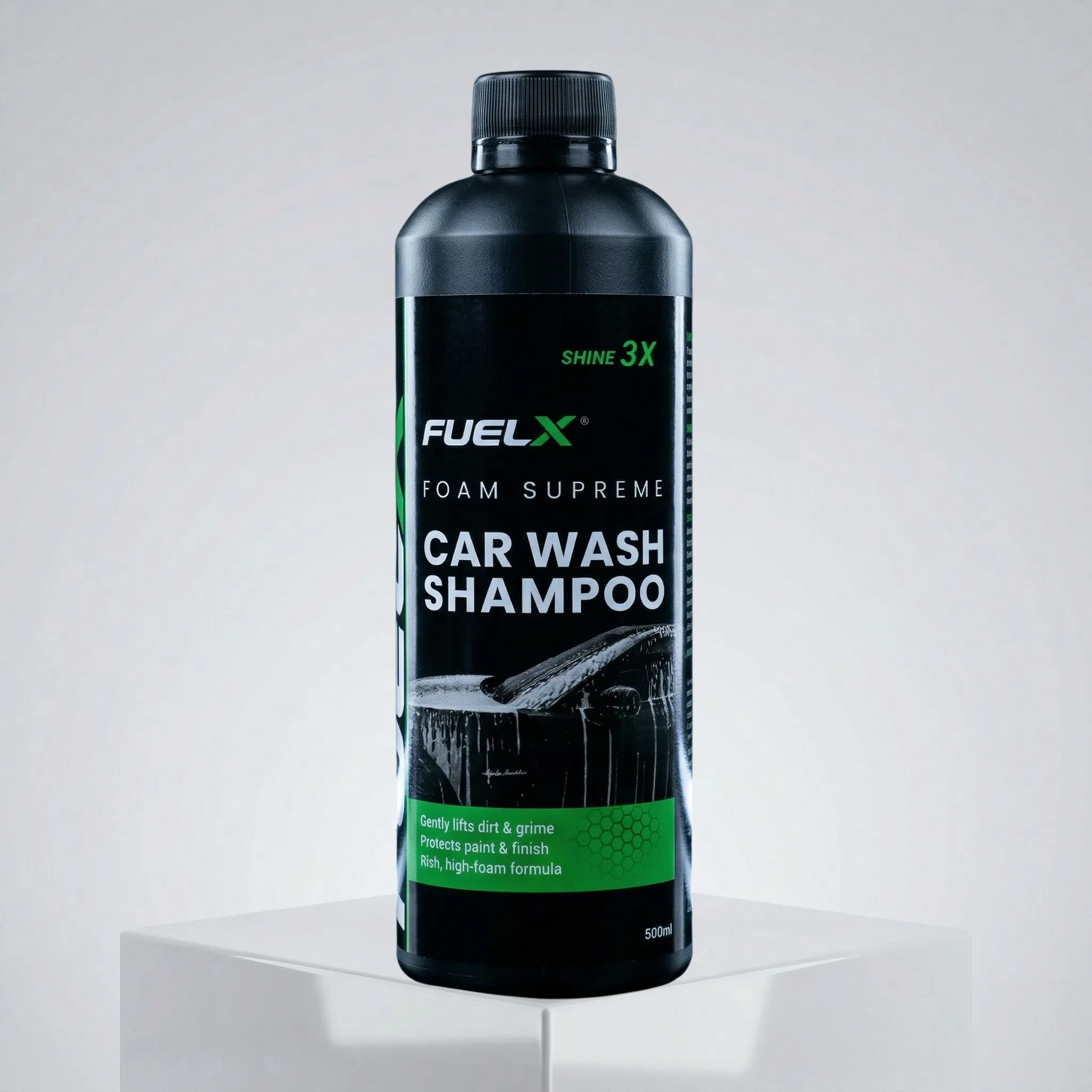
Start by washing the vehicle using a quality car shampoo.
This removes:
- Dust
- Mud
- Road grime
- Surface contaminants
A clean surface prevents scratching during the water spot removal process.
Use the two-bucket washing method whenever possible to minimize swirl marks and paint damage.
Step 2 – Try the Vinegar Solution Method
For fresh water spots, a simple vinegar solution often works well.
Mix:
- 50% white vinegar
- 50% distilled water
Spray the solution onto the affected area and allow it to sit for one to two minutes.
The mild acidity helps dissolve calcium and magnesium deposits that create hard water spots. Wipe gently using a clean microfiber cloth before rinsing and drying. Vinegar is widely recommended for breaking down fresh mineral deposits because its acidity helps dissolve calcium-based residues.
Step 3 – Use a Dedicated Water Spot Remover
If the spots remain visible after the vinegar treatment, a specialized water spot remover may be necessary.
These products are formulated to:
- Dissolve stubborn minerals
- Remove bonded deposits
- Restore surface clarity
Always test any product on a small section before applying it to the entire vehicle.
Step 4 – Use a Clay Bar Treatment
When mineral deposits become embedded in the paint surface, washing alone is not enough.
A clay bar can safely remove bonded contaminants that standard washing cannot eliminate.
Benefits include:
- Smoother paint surface
- Better shine
- Improved effectiveness of polishing and wax application
Many professional detailers use clay bars as a standard decontamination step before paint correction.
Step 5 – Polish Minor Etching
If water spots have begun etching into the clear coat, polishing is often required.
A quality polish can:
- Remove light etching
- Restore gloss
- Improve paint clarity
Most minor water spot damage can be corrected through a single-stage polishing process when addressed early.
Step 6 – Seek Professional Paint Correction
For severe water spot damage, professional correction may be necessary.
Detailing professionals use machine polishing techniques to remove microscopic layers of damaged clear coat and restore the surface.
In extreme cases where etching is very deep, complete removal may not be possible without compromising clear coat thickness.
Common Mistakes to Avoid When Removing Water Spots
Scrubbing Aggressively
Applying excessive pressure can create scratches and swirl marks.
Using Household Detergents
Dishwashing liquids may strip wax protection and dry out exterior surfaces.
Washing in Direct Sunlight
Hot panels cause rapid evaporation and increase spotting.
Ignoring Spots for Too Long
Fresh water spots may take minutes to remove.
Etched water spots may require hours of polishing or expensive paint correction.
Using Dirty Towels
A contaminated towel can cause micro-scratches that damage the finish.
How to Prevent Water Spots From Returning
Prevention is far easier and cheaper than removal.
Dry the Car Immediately After Washing
Professional detailers often consider drying the most important step of the wash process.
Even five to ten minutes of air drying can leave mineral deposits behind during hot weather. Experts consistently recommend drying the vehicle immediately after rinsing to avoid mineral residue formation.
Wash in the Shade
Choose:
- Early morning
- Late afternoon
- Covered washing areas
Avoid washing during peak sunlight hours.
Use Microfiber Drying Towels
Microfiber towels absorb significantly more water than traditional cotton towels and reduce the risk of scratching.
Avoid Hard Water
If available, use:
- Filtered water
- Softened water
- Deionized water
This dramatically reduces mineral deposits.
Apply Wax or Paint Sealant
A protective layer helps prevent minerals from bonding directly to the paint.
Most quality waxes provide protection for approximately 2 to 4 months depending on driving conditions.
Consider Ceramic Coating
Ceramic coatings provide one of the best long-term defenses against water spot damage.
While they do not stop water spots from forming entirely, they make them much easier to remove and significantly reduce the risk of permanent etching. Ceramic coatings create a protective barrier that prevents minerals from directly attacking the clear coat, making water spot removal easier and reducing long-term damage.
Are Water Spots Permanent?
Not always.
Fresh water spots can usually be removed using washing, vinegar solutions, or dedicated water spot removers.
However, once the minerals begin etching into the clear coat, removal becomes more difficult and may require polishing or paint correction.
The longer water spots remain exposed to heat and sunlight, the greater the likelihood of permanent damage.
Best Products for Removing Water Spots From Car Paint
For safe and effective water spot removal, consider using:
- Quality car shampoo
- Microfiber drying towels
- Dedicated water spot remover
- Clay bar kit
- Paint polish
- Car wax or paint sealant
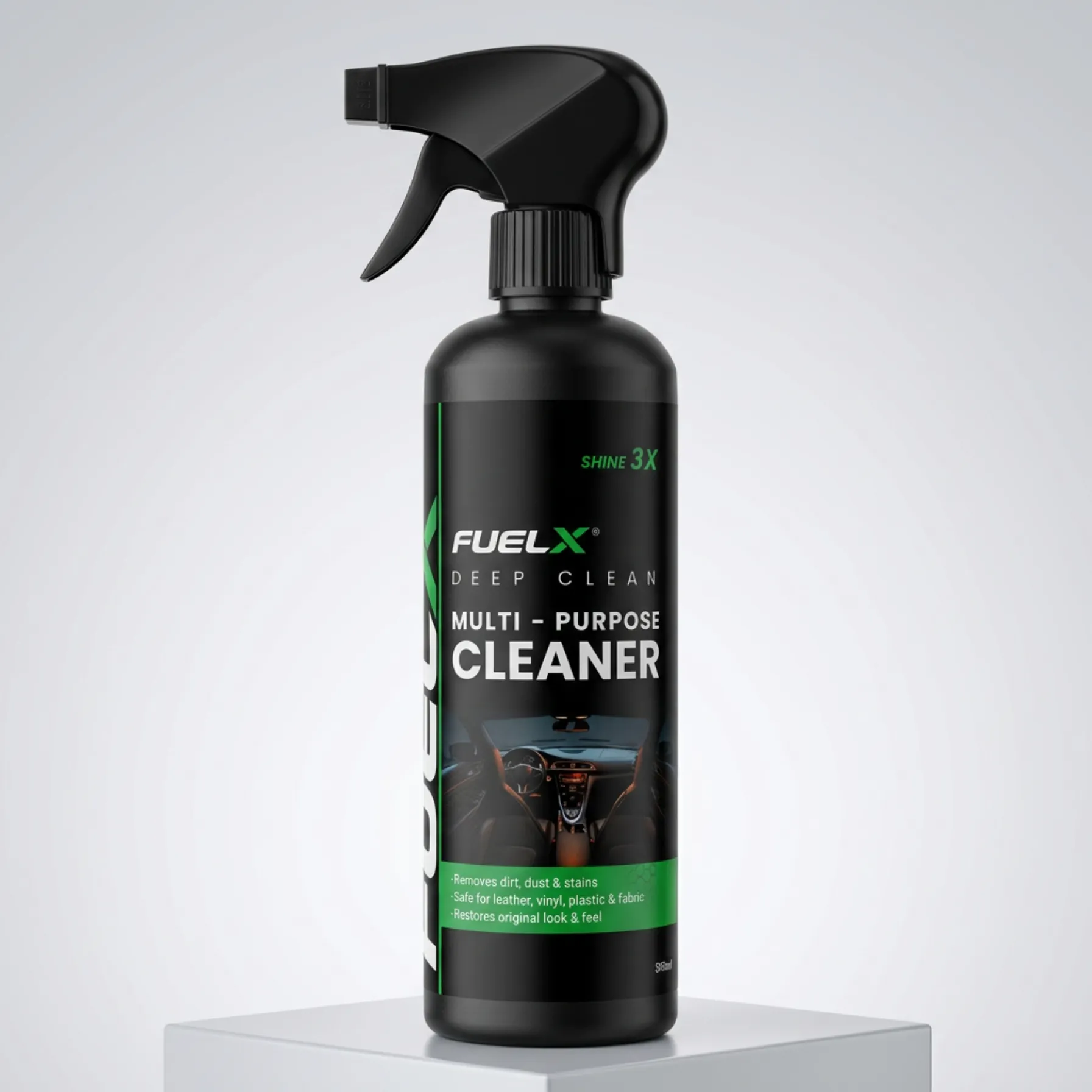
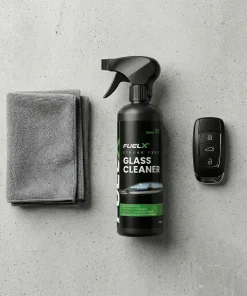
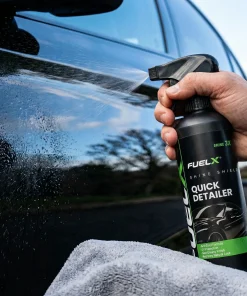
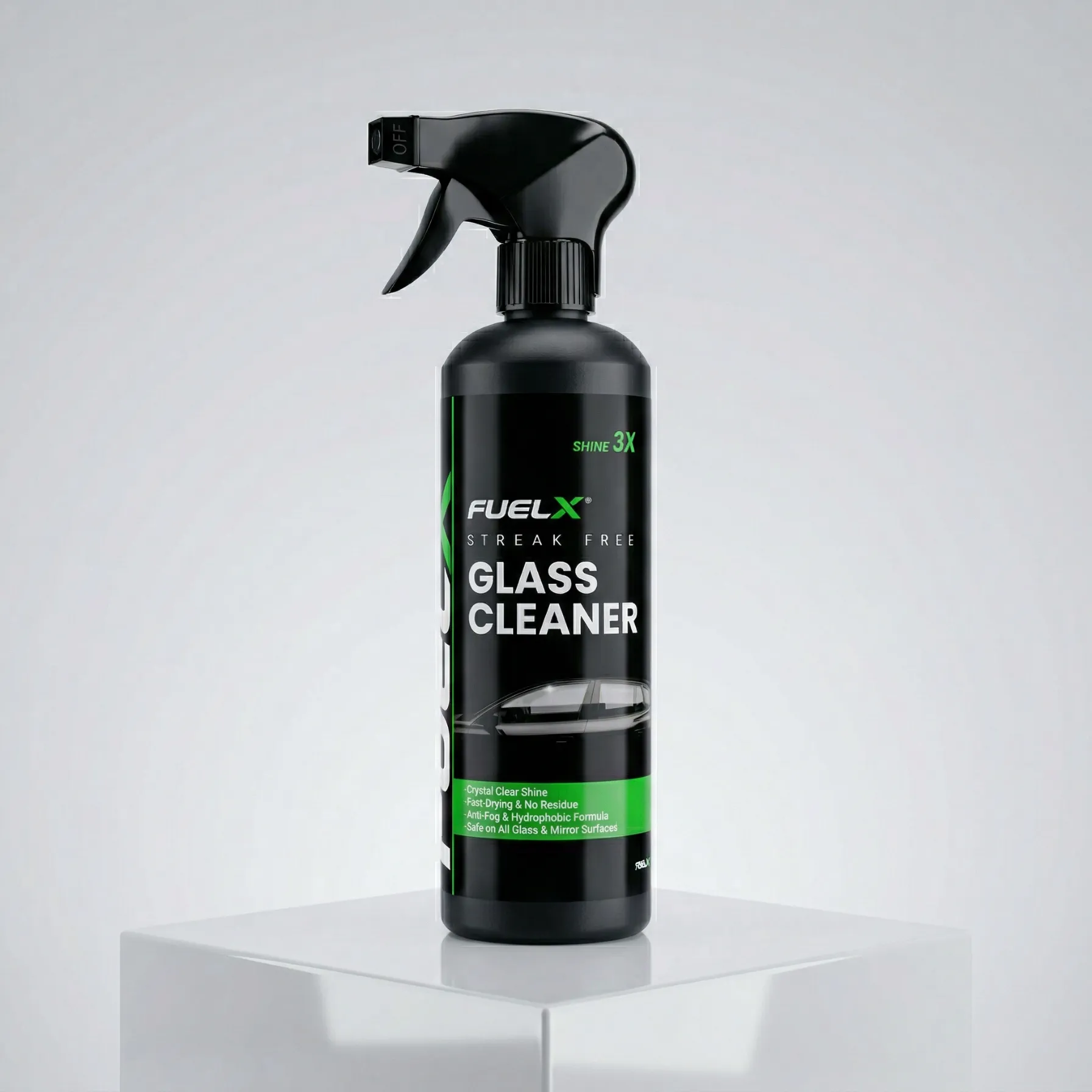
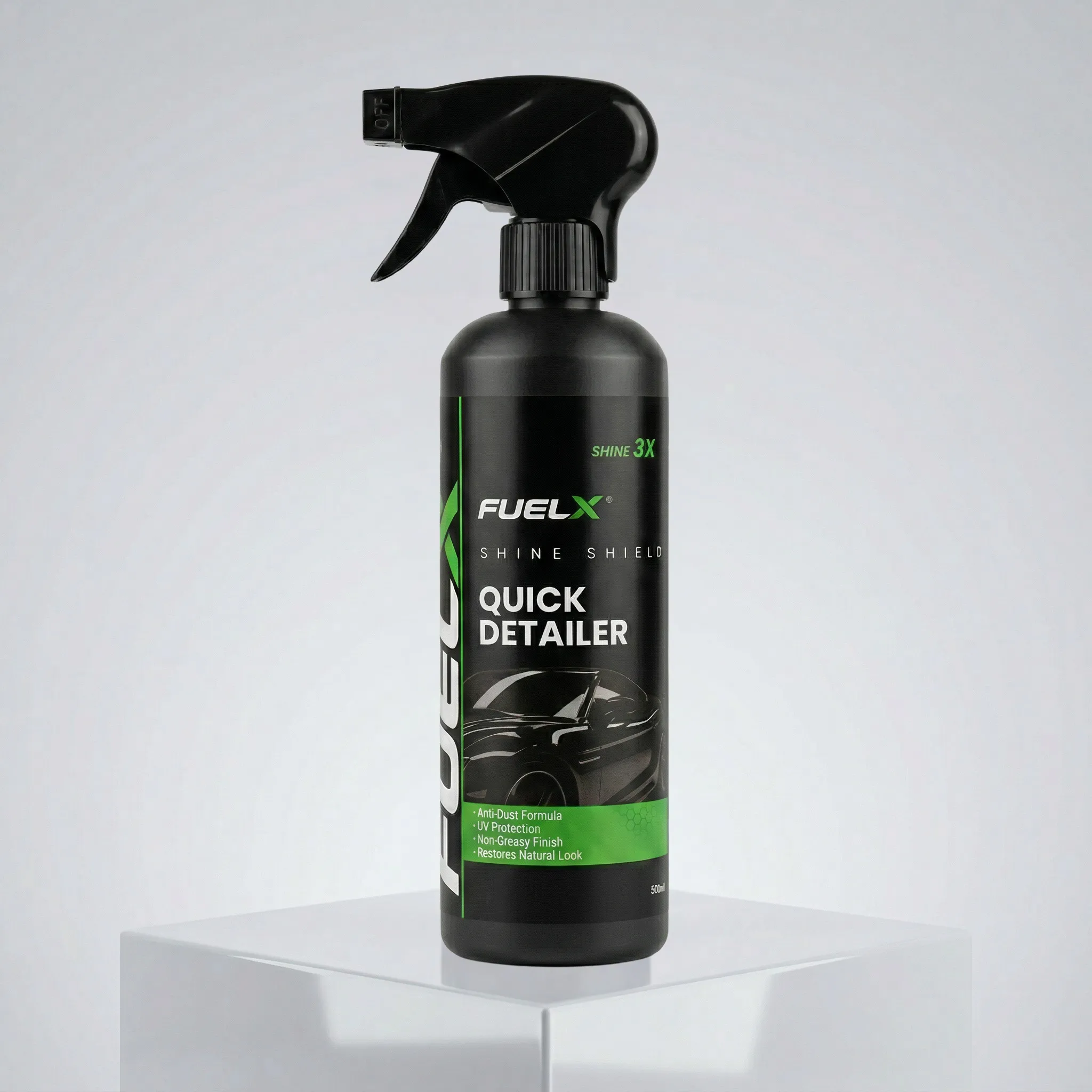
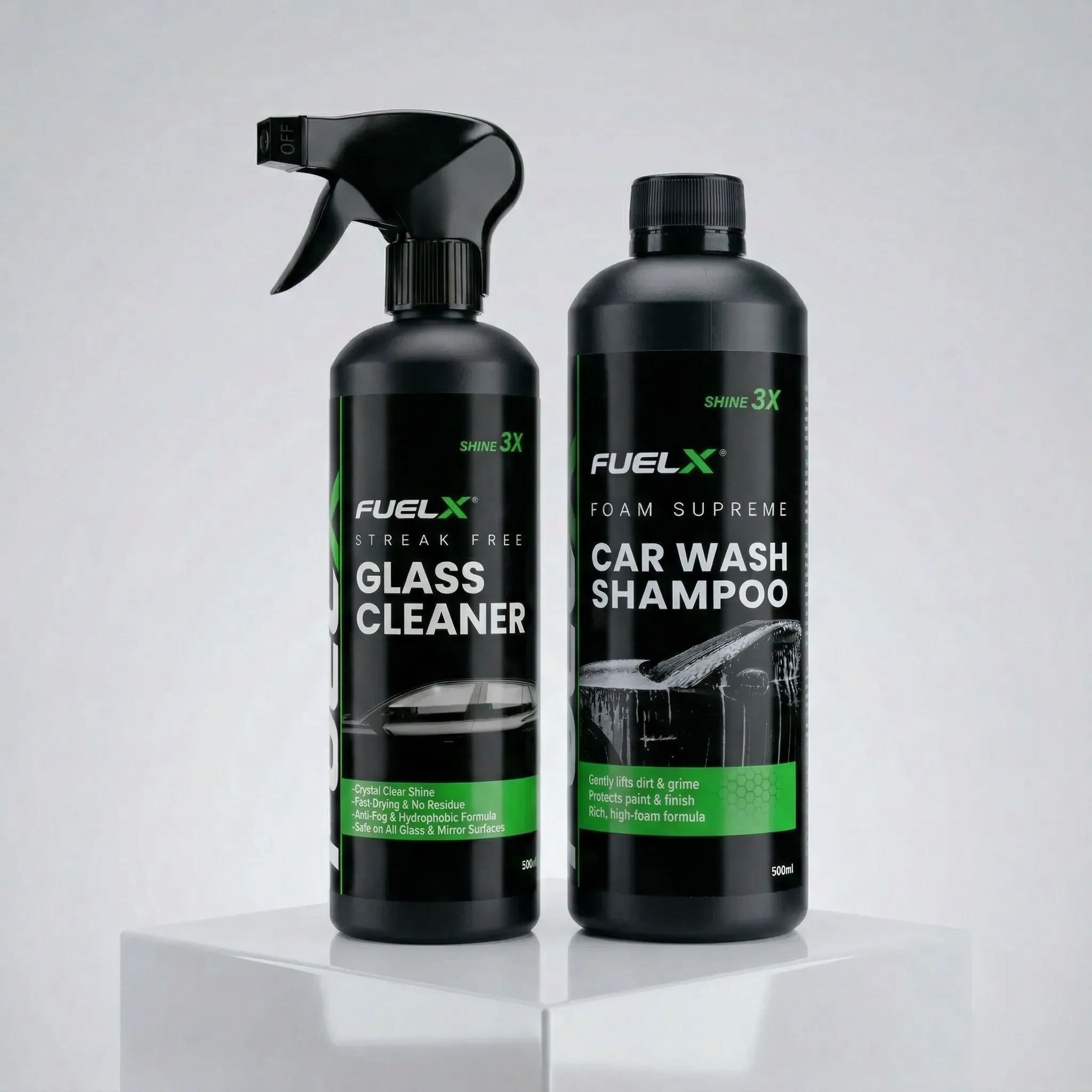
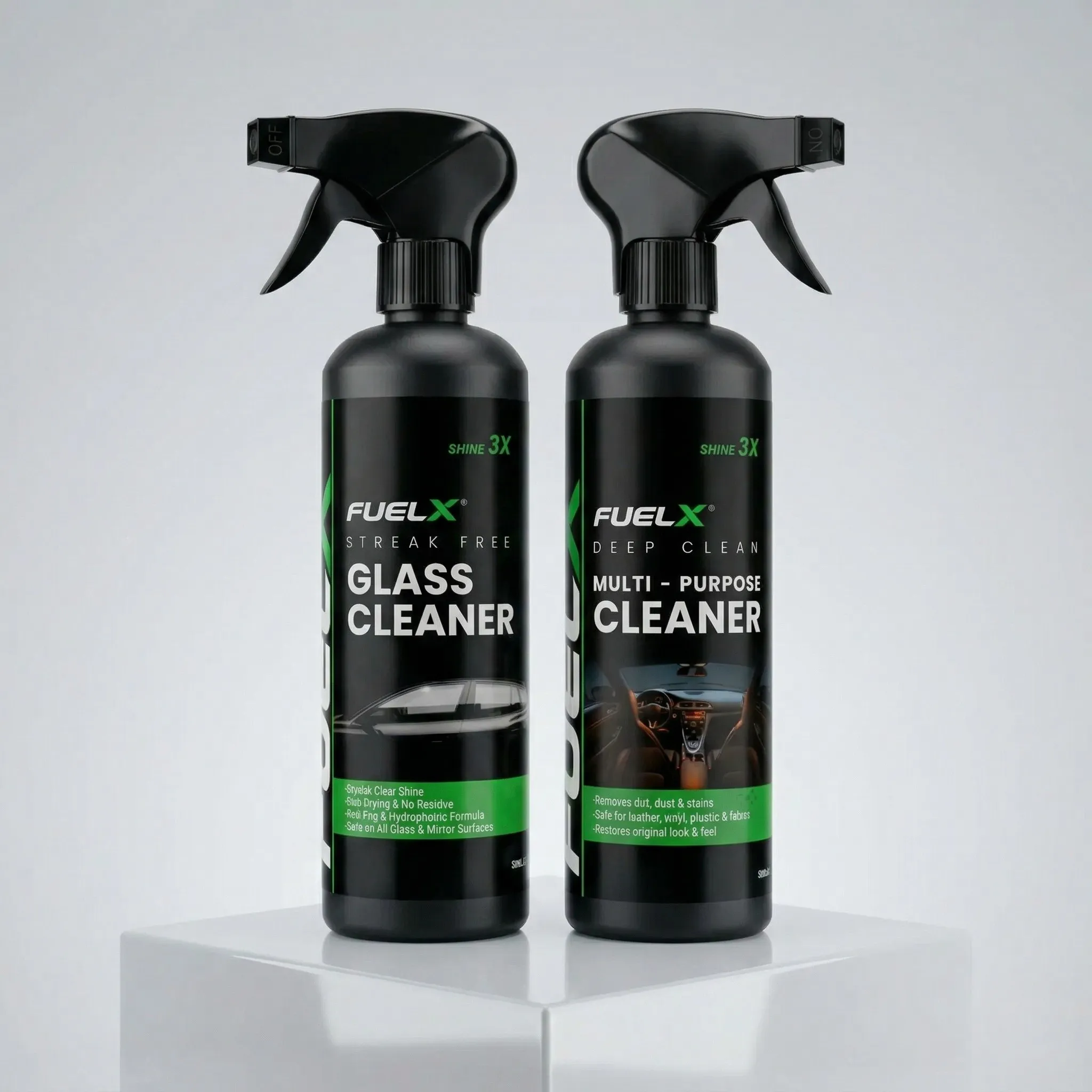
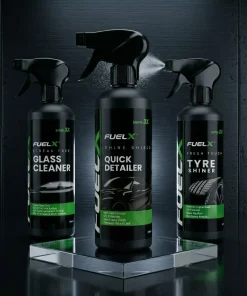
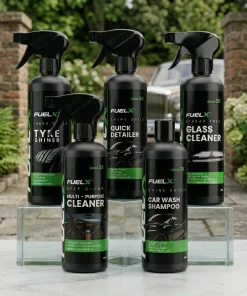
FuelX car care products can also help maintain a cleaner, better-protected paint surface and reduce the chances of future water spot formation.
Conclusion
Water spots are more than just an appearance issue. The minerals left behind by evaporating water can gradually damage your vehicle’s clear coat, reduce paint gloss, and lead to expensive correction work if ignored.
Fortunately, most water spots can be removed safely when treated early. A combination of proper washing, prompt drying, quality protection products, and regular maintenance can keep your vehicle looking its best.
For Pakistani drivers dealing with hard water, summer heat, and dusty conditions, preventing water spots should be part of every car care routine. A few extra minutes spent drying and protecting your vehicle today can save thousands of rupees in paint correction costs later.
FAQ’s
Can vinegar damage car paint?
When properly diluted and not left on the surface for extended periods, vinegar is generally safe for removing fresh mineral deposits.
How long can water spots stay on a car?
Fresh spots should ideally be removed within a few days. After several weeks of exposure, the risk of etching increases significantly.
Can water spots damage ceramic coatings?
Yes. Water spots can still form on ceramic coatings, but they are typically easier to remove and less likely to damage the underlying paint.
Does washing remove hard water stains?
Regular washing can remove fresh deposits, but older hard water stains often require specialized treatment.
Should I polish my car after removing water spots?
If the spots have left behind dull marks or light etching, polishing can help restore gloss and improve paint clarity.